
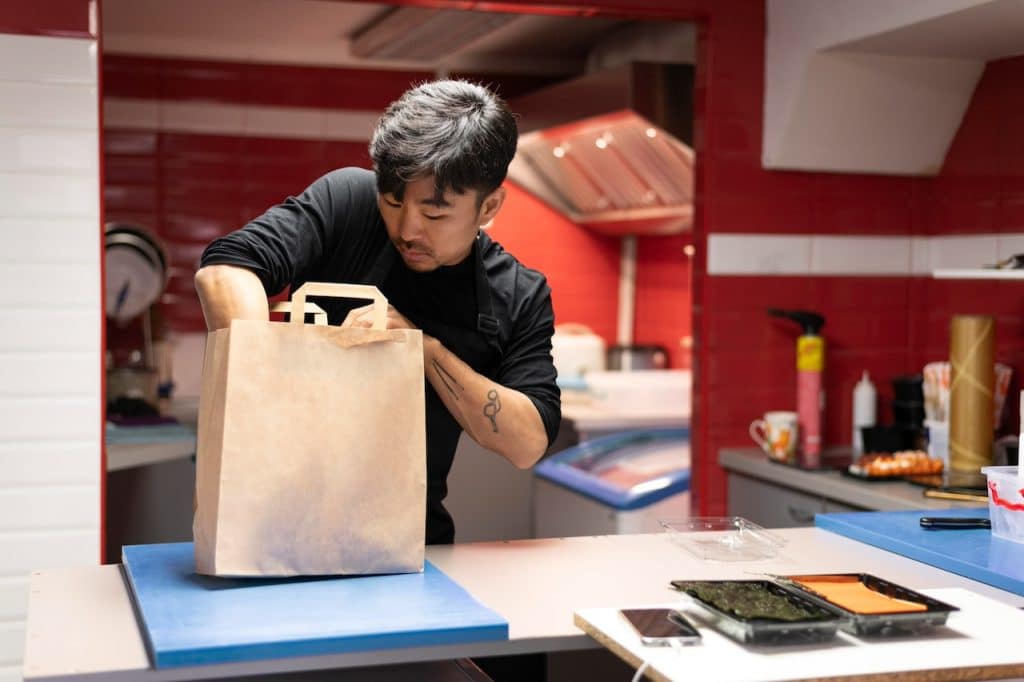
Takeaway and food-to-go services have become a major revenue channel for restaurants, cafés, bakeries, ghost kitchens, and quick-service establishments. As consumer behavior continues shifting toward convenience, many food businesses now depend heavily on pickup and delivery orders. However, managing takeaway operations efficiently can be difficult without the right technology in place. This is where takeaway order management software becomes essential to running a profitable food business.
Takeaway order management software is a digital system designed to help restaurants handle incoming orders, organize kitchen workflows, manage payments, coordinate pickups, and sometimes integrate with delivery platforms. Instead of juggling handwritten tickets, multiple tablets, and scattered spreadsheets, restaurants can centralize operations in one streamlined system. The result is faster service, fewer mistakes, and better customer experiences.
Choosing the right software is a critical decision for any food business. With dozens of platforms available, each offering different features, integrations, and pricing models, it can be challenging to determine which solution fits your specific operation. Understanding what takeaway order management software does and how it impacts your workflow is the first step toward making a smart investment.
Why Takeaway Order Management Software Matters
Running a takeaway-focused restaurant involves more complexity than many owners expect. Orders may come in from several sources at once, including phone calls, online ordering websites, mobile apps, third-party delivery platforms, and in-store pickup. Without a centralized system, staff can quickly become overwhelmed trying to track everything manually.
A good order management system organizes all incoming orders into one interface, allowing staff to view, process, and prioritize them efficiently. Orders are automatically routed to the kitchen, where preparation begins immediately. This reduces delays, improves accuracy, and keeps customers satisfied.
Another important advantage is operational visibility. Restaurant owners gain access to sales analytics, peak ordering times, popular menu items, and staff productivity data. These insights help businesses make smarter decisions regarding staffing, menu pricing, and promotional strategies.
Customer expectations have also changed dramatically. People now expect fast ordering, clear pickup times, and accurate order fulfillment. When mistakes occur, customers often turn to online reviews, which can significantly impact a restaurant’s reputation. Reliable order management software minimizes these risks by improving workflow consistency and communication between front-of-house and kitchen staff.
Key Features to Look for in Takeaway Order Management Software
When comparing different platforms, restaurant owners should focus on features that directly support takeaway operations. While many POS systems offer basic ordering capabilities, not all are designed specifically for high-volume takeout environments.
One of the most important features is centralized order aggregation. This allows orders from multiple sources, including in-store terminals, online ordering websites, and delivery apps, to appear in a single dashboard. Instead of monitoring several tablets or screens, staff can manage everything from one place.
Kitchen display system integration is another valuable feature. A kitchen display replaces printed tickets with digital order screens that update automatically as orders arrive. This helps kitchen staff stay organized and reduces miscommunication between front-of-house and back-of-house teams.
Real-time order tracking is also essential. Customers appreciate knowing exactly when their food will be ready for pickup. Software that automatically updates preparation times and sends notifications improves transparency and customer satisfaction.
Payment integration is another major consideration. The software should support multiple payment options, including credit cards, mobile wallets, and online payments. Some systems also allow customers to prepay when ordering online, which speeds up pickup and reduces congestion at the counter.
Menu management tools are equally important. Restaurant owners should be able to update prices, modify menu items, adjust availability, and add seasonal specials quickly. A flexible menu system prevents confusion and ensures customers always see accurate options when placing orders.
Integration With POS Systems
For many restaurants, takeaway order management works best when integrated with a point-of-sale system. A POS system connects ordering, payments, inventory tracking, and reporting into one platform. Instead of running separate tools for each function, businesses can streamline operations and reduce manual work.
Modern POS systems designed for food service allow takeaway orders to flow directly into the main sales system. This ensures that all revenue data is captured automatically, making accounting and reporting much easier. Inventory levels also update in real time, helping prevent stock shortages or overselling popular menu items.
For example, platforms like Slant POS provide integrated order management features designed specifically for restaurants and cafés. These systems allow businesses to accept takeaway orders, process payments, track sales, and manage menus within a single interface. For smaller independent restaurants, this type of all-in-one solution can simplify operations significantly.
Integration with accounting software, loyalty programs, and customer relationship management tools can also add value. The more seamlessly your systems communicate, the easier it becomes to manage daily operations and long-term growth.
Online Ordering Capabilities
Online ordering has become a core component of takeaway operations. Customers increasingly prefer ordering through a restaurant’s website or mobile app rather than calling or waiting in line. As a result, takeaway management software should include robust online ordering functionality.
The ideal system allows restaurants to create a branded ordering page where customers can browse the menu, customize their selections, and schedule pickup times. Orders are transmitted directly to the kitchen, eliminating the need for staff to manually enter them into the POS.
Customization options are particularly important for restaurants offering build-your-own dishes, combo meals, or dietary modifications. Software should allow customers to select ingredients, choose portion sizes, or remove items easily. This ensures accuracy while reducing the need for follow-up communication.
Another advantage of online ordering is data collection. Restaurants can gather valuable insights about customer behavior, including ordering frequency, preferred menu items, and average spending. This data can be used to create targeted promotions and loyalty rewards that encourage repeat business.
Delivery Platform Integration
Even if your business primarily focuses on takeaway, many customers still expect delivery options. Third-party platforms such as Uber Eats, DoorDash, and Grubhub dominate the delivery market and bring significant order volume to restaurants.
However, managing multiple delivery apps can be overwhelming without proper software. Each platform typically provides its own tablet for receiving orders, forcing staff to monitor several devices simultaneously. This increases the risk of missed orders and delayed preparation.
Takeaway order management systems often include delivery aggregation features that combine orders from all platforms into a single dashboard. Instead of juggling multiple tablets, staff can manage everything from one interface. Orders are automatically forwarded to the kitchen, improving efficiency and reducing errors.
Delivery integration also helps maintain accurate menus across platforms. When a menu item runs out, the system can update availability across all channels simultaneously, preventing customers from ordering items that are no longer available.
Kitchen Workflow Optimization
A busy takeaway operation requires smooth coordination between order intake and food preparation. If the kitchen becomes overwhelmed, delays quickly accumulate and customer satisfaction drops. Takeaway order management software helps prevent this by optimizing kitchen workflows.
Many systems allow restaurants to set preparation time estimates for each menu item. When orders arrive, the software calculates expected completion times based on kitchen capacity and order volume. This ensures customers receive realistic pickup times instead of vague estimates.
Kitchen display systems can also group similar orders together, prioritize urgent orders, and highlight special instructions. Visual indicators help chefs identify which dishes need immediate attention, reducing confusion during peak hours.
Some advanced platforms even offer automated throttling features. If the kitchen reaches capacity, the system can temporarily pause new online orders or extend preparation times until staff catch up. This prevents chaos during busy periods and protects service quality.
Reporting and Analytics
Data-driven decision making is increasingly important in the restaurant industry. Takeaway order management software provides detailed reporting tools that help owners understand how their business is performing.
Sales reports show daily revenue, order volume, and average ticket size. These metrics reveal which days and times generate the most takeaway demand. With this information, managers can schedule staff more effectively and prepare for busy periods.
Menu performance reports identify top-selling items and underperforming dishes. Restaurants can use these insights to adjust pricing, promote popular items, or remove menu options that rarely sell.
Customer behavior analytics provide even deeper insights. By analyzing repeat purchase patterns and order history, restaurants can develop targeted marketing campaigns that encourage customers to return more frequently.
Over time, these insights contribute to smarter business strategies and improved profitability. Instead of relying on guesswork, restaurant owners can make decisions based on real data.
Ease of Use and Staff Training
Technology should simplify restaurant operations, not make them more complicated. One of the most overlooked factors when choosing takeaway order management software is usability.
If a system is difficult to navigate, staff may struggle to process orders quickly. Training becomes more time-consuming, and mistakes are more likely to occur during busy shifts. This is particularly challenging for restaurants with high employee turnover, where new staff members need to learn the system quickly.
An intuitive interface with clear menus, simple navigation, and easy order entry can make a significant difference. Ideally, staff should be able to learn the system within a few hours rather than several days.
Many modern systems also provide onboarding tutorials, training videos, and customer support resources. Access to reliable technical support ensures that problems can be resolved quickly without disrupting service.
Pricing Considerations
Budget plays an important role when selecting takeaway order management software. Pricing models vary widely depending on the platform, features, and number of terminals required.
Some systems offer free entry-level plans with basic features. These can be a good starting point for small cafés or new takeaway businesses with limited budgets. However, advanced features such as delivery integrations, analytics tools, and multi-location management often require paid subscriptions.
Other platforms charge monthly fees per terminal or per location. Restaurants should carefully review what each pricing tier includes to avoid unexpected costs later.
Transaction fees are another factor to consider. If the software includes integrated payment processing, the provider may charge a percentage of each transaction. Over time, these fees can add up significantly, especially for high-volume takeaway businesses.
Before committing to a platform, restaurant owners should calculate the total cost of ownership, including hardware, software subscriptions, payment fees, and potential add-ons.
Scalability for Future Growth
Many restaurants initially adopt takeaway software to solve immediate operational challenges. However, it is important to consider how the system will support future growth as well.
If your business plans to expand into multiple locations, launch a ghost kitchen, or add delivery services, the software should be capable of scaling with those changes. A system that works well for a single café may struggle to handle multi-location operations.
Scalable platforms allow businesses to manage several locations from one dashboard, standardize menus across stores, and analyze performance data collectively. This is particularly useful for growing restaurant groups that need centralized oversight.
Choosing software that supports expansion prevents the need for costly migrations later. Switching systems after your business has grown can be disruptive and time-consuming.
Security and Data Protection
Handling digital orders means storing customer information and processing online payments. Security should therefore be a top priority when evaluating takeaway order management software.
Look for platforms that follow industry security standards, including encrypted payment processing and secure data storage. Compliance with payment security standards helps protect both your business and your customers from fraud.
Regular software updates and strong user access controls are also important. Restaurant owners should be able to limit staff permissions so that only authorized employees can access sensitive financial data or modify system settings.
Reliable backup systems ensure that important data is not lost in the event of technical issues. Cloud-based platforms typically provide automatic backups and remote access, allowing managers to monitor operations even when they are not physically present in the restaurant.
Making the Right Choice for Your Restaurant
Selecting the best takeaway order management software requires careful evaluation of your restaurant’s unique needs. A small coffee shop with moderate takeaway traffic may prioritize simplicity and affordability, while a busy quick-service restaurant may require advanced integrations and high-volume order handling.
Restaurant owners should begin by identifying the biggest challenges in their current takeaway workflow. Are orders getting lost between platforms? Are customers complaining about long wait times? Is staff spending too much time manually entering orders? Understanding these pain points will help narrow down the most suitable solutions.
Testing software through free trials or demos is also highly recommended. Hands-on experience provides a better understanding of how the system works in real-world conditions. Involving kitchen staff and managers in the evaluation process can also provide valuable feedback.
Ultimately, the goal is to find a system that improves efficiency, enhances customer experiences, and supports long-term growth. With the right takeaway order management software in place, restaurants can handle higher order volumes, reduce operational stress, and create a smoother experience for both staff and customers.


