
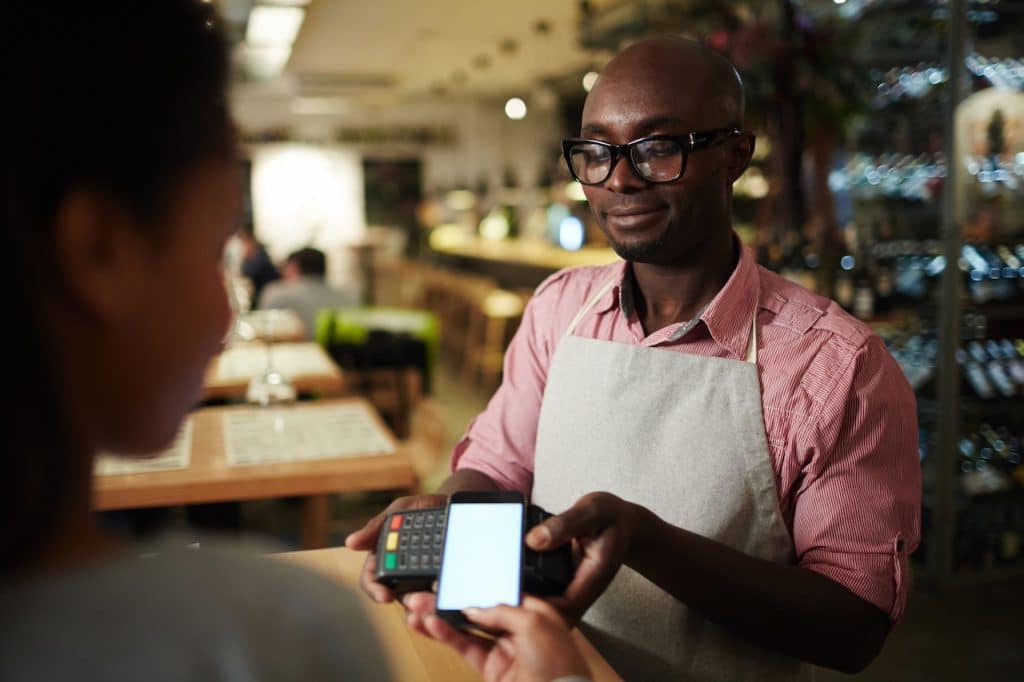
Restaurants in Eswatini (formerly known as Swaziland), a landlocked country in Southern Africa, with a population of approximately 1.27 million, use a combination of traditional and electronic payment systems to collect money from customers. Cash remains an important part of everyday business, but bank cards, mobile money, electronic funds transfers and newer instant-payment services are changing how restaurants handle transactions.
The country’s restaurant industry includes independent eateries, coffee shops, hotel restaurants, fast-food outlets, bars, takeaway businesses and catering companies. Each has different payment requirements. A small takeaway restaurant in Manzini, for example, may depend heavily on cash and mobile payments, while a hotel restaurant in Ezulwini may need to accept international bank cards, corporate payments and deposits for reservations.
Eswatini’s financial services industry is also undergoing changes. The Central Bank of Eswatini has been developing the Eswatini Payments Switch (EPS), an initiative intended to improve connections between banks and non-bank payment providers. Its Fast Payments module went live in December 2024, creating new opportunities for domestic electronic transfers and payment interoperability.
For restaurant operators, understanding these developments is important when deciding which payment methods to offer. A suitable payment arrangement should make checkout convenient, protect customer information, reduce administrative work and allow managers to reconcile sales accurately.
This guide examines the payment systems restaurants use in Eswatini, explains how they work and considers the advantages and limitations of each option. It also explores how restaurant point-of-sale software can help businesses manage different payment channels.
1. Cash Payments
Cash is one of the most familiar payment methods in Eswatini. It remains particularly useful for independent restaurants, informal food businesses, takeaway outlets, street-food vendors and smaller cafés.
The country’s official currency is the lilangeni (SZL), with emalangeni being the plural. The South African rand is also accepted in Eswatini and is maintained at par with the lilangeni under the Common Monetary Area arrangement.
This currency relationship is relevant to restaurants because the country has close commercial and tourism connections with South Africa. Businesses serving South African visitors should understand how they handle rand receipts, cash balances and banking deposits.
How cash payments work
The process is straightforward. A customer orders food, receives a bill and pays the cashier or waiter using banknotes or coins. The employee enters the transaction into the cash register or restaurant POS system, provides any necessary change and issues a receipt.
Restaurants generally use cash for:
- Dine-in meals and takeaway purchases.
- Small food and beverage transactions.
- Street-food and market sales.
- Customers who do not have bank cards or mobile wallets.
- Transactions during temporary internet or electronic payment interruptions.
Advantages of cash payments
Cash does not require a payment terminal, internet connection or electronic payment account. This makes it practical for businesses with limited technology budgets.
It also allows customers to manage their spending directly. A restaurant can receive payment immediately without waiting for an electronic transaction to be authorised or settled.
Disadvantages of cash payments
Cash creates additional responsibilities for restaurant managers. Employees must count money, provide correct change, protect the till and reconcile physical cash against recorded sales.
Theft, counterfeit notes, incorrect change and cash-handling mistakes can affect profitability. Holding substantial amounts of cash also creates security concerns, particularly for businesses that operate late at night.
Restaurants should assign cash drawers to individual employees, record refunds and cancelled orders and conduct end-of-shift cash counts. Managers should compare the actual balance with the POS report before approving the daily reconciliation.
Cash should remain an available payment option where customers rely on it, but restaurant operators can reduce cash-handling risks by offering reliable electronic alternatives.
2. Debit and Credit Card Payments
Bank cards are an important electronic payment option for restaurants in Eswatini. They are particularly useful for establishments in Mbabane, Manzini, Ezulwini and other commercial and tourism areas.
Restaurants can accept eligible debit and credit cards through merchant accounts provided by banks or authorised acquiring institutions. Depending on the merchant agreement and terminal configuration, the business may accept domestic and internationally issued Visa and Mastercard cards.
Debit card payments
Debit cards allow customers to pay directly from their linked bank accounts. They are convenient for everyday purchases because customers do not need to withdraw cash before visiting a restaurant.
A customer can insert a card into a payment terminal, enter a PIN or use contactless functionality if supported. The transaction is sent through the relevant payment network for authorisation.
For restaurant owners, debit card acceptance can reduce the amount of cash held at the premises and provide a clear electronic record of sales.
Credit card payments
Credit cards allow customers to pay using an approved credit facility. The customer settles the amount with the issuing bank according to the terms of their card agreement.
Credit cards are especially relevant to hotel restaurants, premium dining establishments and businesses serving international visitors. Tourists may prefer to use cards issued in their home countries rather than exchange currency or withdraw local cash.
How card payments are processed
A typical card transaction follows these steps:
- The cashier enters the customer’s bill into the payment terminal.
- The customer inserts, taps or swipes an eligible card.
- The terminal communicates with the acquiring payment network.
- The issuing bank checks the transaction and authorises or declines it.
- The terminal displays the result.
- The transaction is included in the merchant’s settlement process.
The restaurant should retain transaction records and reconcile card sales against the deposits received from its acquiring provider.
What restaurants should consider
Before choosing a card payment provider, restaurant owners should compare merchant service charges, terminal rental, installation costs, settlement periods and chargeback procedures.
They should also check whether the terminal supports refunds, contactless payments, chip-and-PIN transactions and pre-authorisations. These features can be useful for hotels and restaurants that manage bookings or larger hospitality transactions.
The Central Bank of Eswatini’s payment-system reporting provides evidence of the growing importance of electronic payments. Its 2025 Financial Stability Review reported 4,592 active POS terminals at the end of June 2025, an increase of 10.7% over the preceding year. These figures cover the wider economy, not restaurants alone, but they demonstrate the development of the country’s electronic payment infrastructure. centralbank.org.sz
3. Mobile Money Payments
Mobile money is an important part of Eswatini’s developing digital financial services market. It allows customers to hold electronic funds in a mobile wallet and conduct supported transactions using their phones.
Unlike traditional banking, mobile money does not necessarily require a customer to maintain a conventional bank account. This makes it relevant to customers who prefer mobile-based financial services.
For restaurants, mobile money can provide an additional way to receive payments without depending entirely on cash or conventional bank card terminals.
The Central Bank of Eswatini lists several licensed payment service providers, including MTN Fintech Limited, E-Mali (Pty) Ltd, Instacash Services, Shoprite Mobile Money Services and DeltaPay. Restaurant owners should use the regulator’s information when investigating local payment providers. Central Bank
MTN Mobile Money (MoMo)
MTN Mobile Money (MoMo) is a mobile financial service associated with MTN. It allows eligible customers to conduct supported financial transactions through their mobile accounts.
For a restaurant, the potential benefit is an additional electronic payment channel for customers who regularly use mobile money.
Before adopting the service, restaurant operators should contact MTN to establish the merchant facilities available in Eswatini. They should ask about merchant registration, payment confirmation, transaction charges, settlement arrangements and any applicable transaction limits.
E-Mali
E-Mali is another licensed payment service provider in Eswatini. It is relevant to businesses investigating electronic payments and mobile financial services.
Restaurant operators should establish which merchant payment products are available and whether the provider supports direct customer-to-merchant payments, merchant accounts or other appropriate payment arrangements.
E-Mali’s involvement in the Eswatini Payments Switch also makes it relevant to the country’s developing instant-payment infrastructure.
Instacash
Instacash is another provider included in the Central Bank’s payment ecosystem. Restaurants researching electronic payment options can investigate its current merchant services and supported transaction methods.
As with other providers, restaurant owners should confirm whether the service supports their specific business model before making it available at checkout.
Shoprite Mobile Money Services and DeltaPay
Shoprite Mobile Money Services and DeltaPay also appear on the Central Bank’s list of licensed payment service providers. Their inclusion is useful when researching the country’s regulated payment market.
However, being listed as a licensed provider does not mean every service offers the same merchant facilities. Restaurants should establish which products are available, how transactions are processed and whether funds can be settled directly into a business account.
Why mobile money is relevant to restaurants
Mobile money can be useful for:
- Independent restaurants and neighbourhood cafés.
- Takeaway outlets and small food businesses.
- Customers who regularly use electronic wallets.
- Businesses that want to offer an alternative to cash.
- Restaurants looking to accommodate customers without bank cards.
One important operational rule is that employees should verify payments through the restaurant’s approved merchant channel. A screenshot supplied by a customer is not sufficient confirmation that money has arrived.
4. Electronic Funds Transfers (EFTs) and Bank Transfers
Electronic funds transfers allow money to move between bank accounts without physical cash changing hands.
In Eswatini, EFTs are particularly relevant to restaurants that handle corporate orders, catering contracts, private events, hotel functions and large food purchases.
A business customer arranging a conference lunch, for example, may prefer to receive an invoice and pay the restaurant through its corporate banking service rather than settle a large amount at the counter.
Common restaurant applications
Restaurants can use bank transfers for:
- Corporate catering orders.
- Wedding receptions and private functions.
- Conference and business-meeting meals.
- Large takeaway orders.
- Advance deposits for restaurant events.
- Payments from hotels and business partners.
Credit transfers
A credit transfer moves funds from the customer’s bank account to the restaurant’s nominated account.
The restaurant provides its banking details, invoice number and payment instructions. Once the customer initiates the transfer, the restaurant checks its account to confirm that the funds have arrived.
Debit transfers
Debit transfers involve money being collected from an account under an authorised arrangement. They are less common for ordinary restaurant checkout transactions but may be relevant to recurring commercial agreements or other approved payment arrangements.
Benefits of EFT payments
Bank transfers provide a useful way to collect larger payments without handling substantial amounts of cash.
They also create transaction records that help restaurant accountants match receipts against invoices and customer accounts.
What restaurants should watch
A payment instruction is not necessarily proof that a restaurant has received the money. Staff should check the actual bank account balance or approved transaction notification before confirming an order as paid.
Each transfer should be matched with the customer’s name, invoice number, amount and transaction reference. This becomes increasingly important when the restaurant receives several payments from different customers on the same day.
The Central Bank of Eswatini identifies credit and debit EFTs as part of the country’s retail payment infrastructure. Its 2025 Financial Stability Review reported growth in the value of both types of transactions during the year ending June 2025. centralbank.org.sz
5. Instant and Fast Payments Through the Eswatini Payments Switch
One of the most important developments in Eswatini’s payment industry is the introduction of the Eswatini Payments Switch (EPS).
The Central Bank of Eswatini developed the system to improve connections between financial institutions, including banks and non-bank payment service providers. Its purpose is to make electronic transactions more efficient and improve interoperability across the domestic payment market.
The Fast Payments module went live in December 2024. According to the Central Bank’s 2024/25 Annual Integrated Report, five participating institutions were live by 31 March 2025, while two additional participants were completing production pilot testing. centralbank.org.sz
The Central Bank’s public information explains that the system supports transfers between participating bank accounts and electronic wallets. These include:
- Account-to-account transfers.
- Account-to-wallet transfers.
- Wallet-to-account transfers.
- Wallet-to-wallet transfers.
- Transaction enquiries.
The system is designed to make domestic transfers available around the clock, including weekends and public holidays. Central Bank
How restaurants can benefit from instant payments
Imagine a customer ordering a large takeaway meal and wanting to pay directly from a bank account. Instead of relying on a conventional transfer that may take longer to confirm, the customer may be able to use a participating bank’s instant-payment facility.
The restaurant can verify the payment and release the order once the transaction is confirmed.
Instant payments may also be useful for:
- Advance payments for catering.
- Deposits for private dining events.
- Payments from corporate customers.
- Restaurant supplier transactions.
- Transfers between business accounts.
Are instant payments available to every restaurant?
The EPS is national payment infrastructure, but restaurants still need access through a participating bank or payment service provider. The actual features available depend on the institution, its customer channels and the merchant’s account arrangements.
Restaurants should ask their banks whether their business accounts can receive instant payments and whether payment confirmation can be incorporated into their existing checkout procedures.
The Central Bank’s FAQ also explains that the Fast Payments module is a domestic network. It should not be confused with a universal international instant-payment service. Central Bank
6. QR Code Payments
QR code payments allow customers to use their smartphones to scan a code and initiate an electronic transaction.
The technology can be useful for restaurants because customers do not necessarily need to hand over cash or use a conventional card terminal.
A restaurant can display its approved payment QR code at the cashier’s counter, on dining tables, on printed menus or on takeaway invoices.
How QR payments work
A customer opens a compatible banking or payment application and scans the restaurant’s QR code. The application displays the merchant information and, depending on the arrangement, the amount payable.
The customer checks the details and authorises the payment. The restaurant then confirms the successful transaction through its merchant account or approved payment channel.
There are two common QR payment arrangements.
Static QR codes
A static QR code contains fixed payment information. The same code can be used by different customers, who enter the amount they want to pay.
This arrangement is relatively simple for smaller restaurants and independent food vendors.
Dynamic QR codes
A dynamic QR code is generated for an individual transaction. It can include the amount due and other transaction information.
This reduces the possibility of customers entering the wrong amount and can make reconciliation easier.
Are QR payments widely available in Eswatini?
Restaurants should distinguish between QR technology and an actual payment service. A QR code does not automatically move money between accounts. It must connect to a supported bank, wallet or payment provider.
The Central Bank’s work on the Eswatini Payments Switch and its digital payments programme provides a foundation for greater interoperability. Nevertheless, restaurant operators should confirm that their bank or provider offers an operational merchant QR product before advertising it to customers.
7. Online Payment Gateways
Online payment gateways allow restaurants to collect electronic payments through websites, online ordering platforms and mobile applications.
They are particularly relevant to businesses offering food delivery, takeaway ordering, catering, event bookings and advance meal reservations.
A payment gateway connects an online checkout with a payment processor or acquiring institution. It securely transmits the transaction information and returns an approval or decline response.
How restaurants use payment gateways
A restaurant can integrate an online payment gateway into its website or ordering application. When customers place an order, they select an available payment method and complete the transaction before submitting the order.
The restaurant receives the payment status and can begin preparing the food once the order has been confirmed.
Online payment gateways are useful for:
- Home delivery orders.
- Takeaway orders placed through a website.
- Catering deposits.
- Advance bookings.
- Corporate meal orders.
- Online gift voucher purchases.
Choosing an online payment provider
Restaurant owners should investigate whether an international or regional payment gateway accepts businesses registered in Eswatini.
This is important because a gateway that operates in South Africa, the United States or Europe may not necessarily support merchant onboarding in Eswatini.
Before signing up, confirm:
- Whether Eswatini-based businesses are eligible.
- Which bank cards and digital payment methods are supported.
- Which settlement currencies are available.
- Whether local bank accounts can receive settlements.
- What transaction and currency conversion fees apply.
- Whether the service integrates with the restaurant’s ordering system.
Online payment processing should also provide reliable transaction reporting. Restaurant staff need to know which orders have been paid, which are awaiting payment and which transactions have failed.
8. Contactless and Tap-to-Pay Payments
Contactless payments allow customers to complete transactions by tapping an eligible bank card or compatible mobile device against a payment terminal.
The technology commonly uses near-field communication (NFC), which allows payment information to be exchanged over a short distance.
Contactless payments can make restaurant checkout faster, particularly during busy lunch periods, takeaway rushes and high-volume service.
Depending on the customer’s bank, card and device, payment may be made using:
- Contactless debit cards.
- Contactless credit cards.
- Compatible smartphones.
- Supported digital wallets.
Advantages for restaurants
The main advantage is speed. Customers can pay without inserting a card or handling cash, provided the transaction meets the terminal’s requirements.
It can also reduce physical handling of payment cards and make checkout more convenient.
What restaurant owners should check
Contactless payments depend on the capabilities of the acquiring bank, payment terminal and card scheme.
Restaurants should confirm whether NFC payments are enabled, what transaction limits apply and whether customers may occasionally need to enter a PIN or use another verification method.
They should also ensure that employees know how to handle declined transactions and confirm successful payments.
9. Prepaid Vouchers, Gift Cards and Restaurant Credits
Prepaid vouchers and gift cards provide another way for restaurants to collect money before a meal is served.
They are particularly useful for businesses that want to promote special occasions, encourage repeat visits or attract corporate customers.
For example, a restaurant could sell an E500 gift voucher that a customer gives to a friend or family member. The recipient can then redeem it against an eligible purchase.
Common restaurant voucher arrangements
- Birthday and anniversary vouchers.
- Fixed-value restaurant gift cards.
- Corporate dining credits.
- Promotional meal vouchers.
- Prepaid lunch packages.
- Special holiday dining packages.
Restaurants can sell vouchers at the counter, through their websites or as part of corporate arrangements.
A POS system should be able to record voucher sales, track outstanding balances and deduct the appropriate value when a voucher is redeemed.
Accounting considerations
Restaurant owners should distinguish between selling a voucher and recognising the revenue from the meal or service eventually provided.
The initial sale creates an obligation to honour the voucher. When the customer redeems it, the restaurant records the redemption according to its accounting procedures.
Businesses should establish clear redemption terms, refund procedures and expiry conditions that comply with applicable consumer protection requirements.
10. Split Payments and Multiple Payment Methods
Split payments allow customers to settle one restaurant bill using more than one payment method.
This is particularly useful when customers dine in groups or share the cost of a meal.
For example, four friends may visit a restaurant in Mbabane. One customer pays part of the bill using a debit card, another uses mobile money and the remaining amount is settled in cash.
The restaurant needs a payment system that can record each transaction against the same order.
Common split payment arrangements
- Cash combined with a bank card.
- Mobile money combined with cash.
- Two or more bank cards.
- A gift voucher and a debit card.
- A corporate account covering part of the bill.
A suitable restaurant POS system makes these transactions easier to manage. The cashier can divide the total amount into separate payments without creating several unrelated sales records.
The system should show the full value of the original order and the amount settled through each payment channel.
This is important for accurate sales reporting, cash reconciliation and accounting.
11. Restaurant POS Systems and Payment Integration
A point-of-sale system is an important part of restaurant operations. It is used to record orders, calculate bills, process sales and produce reports.
However, a POS system and a payment processor are not necessarily the same thing.
The POS system manages the restaurant’s sales and operational information. The acquiring bank or payment processor handles the authorisation and movement of electronic funds.
Some providers combine these services, while others allow restaurant owners to choose separate software and payment providers.
Cloud-based restaurant POS systems
Cloud-based POS software stores and synchronises business information through internet-connected services. Restaurant owners can access sales information and other operational data from supported devices.
Common features include:
- Menu and product management.
- Table and floor management.
- Order processing.
- Kitchen order management.
- Inventory tracking.
- Employee permissions.
- Sales and financial reporting.
- Payment method recording.
Cloud-based POS software can be useful for restaurants with multiple locations because managers can monitor business activity across different branches.
However, restaurants should check internet requirements, offline functionality, subscription charges, data security and local payment compatibility.
Traditional restaurant POS systems
Traditional POS systems are generally installed on local computers or dedicated terminals. Depending on their configuration, they may store operational information locally.
They can suit restaurants that prefer to manage their technology on their own premises. Some systems can continue recording sales during internet interruptions, although electronic payment processing may still require connectivity.
The disadvantages can include maintenance costs, more complicated upgrades and limited remote access.
Mobile POS systems
Mobile POS systems allow restaurant employees to take orders and manage sales using tablets or smartphones.
They are particularly useful for:
- Table-service restaurants.
- Bars and pubs.
- Outdoor dining areas.
- Food trucks.
- Mobile catering operations.
- Restaurants with limited counter space.
Waiters can enter orders while standing at the customer’s table and send them to the kitchen without returning to a fixed cashier station.
Slant POS as a restaurant management option
Slant POS is an option for independent restaurants, cafés, coffee shops and other food-service businesses looking for POS software.
Its cloud-based approach supports restaurant management activities such as sales recording, menu management, inventory control and reporting.
For restaurants in Eswatini, Slant POS can be considered as part of a broader payment management arrangement. Restaurant operators should distinguish between recording a payment in their POS system and actually processing that payment through a bank or licensed payment provider.
Before implementing the software, businesses should confirm compatibility with their preferred payment terminal, mobile money service or payment gateway.
A practical approach is to select restaurant software that can record different payment methods and then establish merchant arrangements with suitable local financial institutions.
This gives restaurant owners flexibility when comparing payment costs and responding to customer preferences.
12. Cross-Border Payments and International Customers
Eswatini has close economic and financial relationships with South Africa and other Southern African countries. Restaurants serving tourists, international business travellers and cross-border customers should therefore consider how they will accept payments from visitors.
This is particularly important for hotel restaurants, lodges, resorts, airport establishments and restaurants located near popular tourism destinations.
South African rand payments
The lilangeni and South African rand are maintained at par under the Common Monetary Area arrangement. This makes the rand relevant to everyday commercial activity in Eswatini.
Restaurants should establish clear procedures for recording rand payments, managing cash balances and depositing funds. They should also confirm how their banks handle rand transactions and whether any additional charges apply.
International bank cards
International visitors may prefer to use cards issued by their home-country banks. Restaurants should ask their acquiring providers whether their terminals accept eligible international Visa and Mastercard transactions.
This is particularly relevant to:
- Hotels and resort restaurants.
- Safari lodges and tourism establishments.
- Premium dining restaurants.
- Restaurants near major attractions.
- Airport restaurants.
- Business hotels and conference venues.
Foreign currency conversion
A customer using a foreign-issued card may see the transaction converted into their home currency by their bank or card provider.
Restaurants should normally process transactions in their agreed merchant settlement currency. If dynamic currency conversion is available, customers should receive clear information about the exchange rate and applicable charges before agreeing to the conversion.
Restaurant managers should also ensure that international transactions are reconciled correctly and that staff understand how to identify foreign-issued card payments.
13. How to Choose the Right Restaurant Payment System in Eswatini
Choosing a payment system requires more than comparing transaction fees. Restaurant owners should consider their customers, location, sales volume, staffing arrangements and available banking services.
A small takeaway restaurant in Manzini may have different requirements from a hotel restaurant in Ezulwini. The most suitable payment setup is the one that supports the business’s actual operations.
1. Understand your customers’ payment preferences
Start by identifying how customers prefer to pay.
A restaurant serving mostly local residents may find cash and mobile money particularly relevant. A hotel restaurant serving international tourists may need a wider selection of card payment options.
Consider the age, location and spending habits of the restaurant’s customers. Do not invest in expensive payment technology simply because another restaurant uses it.
2. Compare transaction fees
Payment providers can charge different fees depending on the payment method, merchant category and transaction arrangement.
Before signing an agreement, compare:
- Merchant service charges.
- Card terminal rental.
- Installation fees.
- Monthly service charges.
- Mobile money transaction fees.
- Settlement charges.
- Refund and chargeback fees.
- Currency conversion costs.
A payment method with a low initial cost may become expensive when transaction volumes increase.
3. Check settlement arrangements
Settlement refers to the process through which the restaurant receives money collected through an electronic payment provider.
Some services provide faster access to funds than others. Restaurant owners should establish whether payments are settled immediately, later the same day or according to a specified banking schedule.
This is particularly important for businesses that need regular cash flow to purchase ingredients, pay suppliers and cover operating expenses.
4. Consider internet reliability
Restaurants should understand what happens when internet connectivity fails.
Some POS systems offer offline sales recording, but this does not necessarily mean that card transactions can continue without connectivity.
Ask the software provider and acquiring bank about their respective backup arrangements. Restaurants should also maintain a procedure for recording sales when their electronic systems become temporarily unavailable.
5. Look for POS and accounting integration
A good payment arrangement should support accurate financial reporting.
Ideally, the restaurant POS system should record sales by payment method and allow managers to reconcile those figures against bank statements and payment provider reports.
This reduces the administrative work involved in checking cash, cards, mobile money and bank transfers separately.
6. Prioritise payment security
Payment security should be part of the selection process.
Restaurants should use reputable financial service providers, restrict access to merchant accounts and train employees to handle payment information responsibly.
Employees should never write down customers’ full card details or store them in ordinary spreadsheets and messaging applications.
7. Verify the provider’s regulatory status
The Central Bank of Eswatini oversees the country’s payment systems and publishes information about licensed payment service providers.
Restaurants should check the provider’s regulatory status and understand its merchant terms before signing an agreement.
They should also investigate customer support, dispute resolution, settlement arrangements and the procedure for reporting suspicious transactions.
14. The Role of the Central Bank of Eswatini in Restaurant Payments
The Central Bank of Eswatini plays an important role in the country’s payment infrastructure. It oversees payment systems and works to improve their safety, reliability and efficiency.
One of its significant initiatives is the Eswatini Payments Switch.
The EPS is designed to improve connections between banks and non-bank payment service providers. Its development includes four major components:
- Fast Payments.
- Open Banking.
- Card-based point-of-sale switching.
- Card-based ATM switching.
The Fast Payments module went live in December 2024. The Central Bank’s 2024/25 Annual Integrated Report described further development of the remaining components and work towards greater interoperability. centralbank.org.sz
For restaurants, interoperability is important because customers may use different banks and electronic wallets. Better connections between financial institutions can make domestic payments more convenient and reduce the need for customers to withdraw cash before making purchases.
The Central Bank’s FAQ explains that the Fast Payments system supports transfers between participating bank accounts and wallets, with services available through participating financial institutions. Central Bank
The Central Bank also maintains information about licensed payment service providers, including MTN Fintech, E-Mali, Instacash, Shoprite Mobile Money Services and DeltaPay. Central Bank
Restaurant owners should follow developments in the country’s payment infrastructure because new services, merchant arrangements and transaction capabilities may become available as the system develops.
15. Payment Security and Fraud Prevention for Restaurants
Electronic payments can reduce the risks associated with holding large amounts of physical cash, but they also introduce different security challenges.
Restaurants should establish payment procedures that protect customers and the business.
Common precautions include:
- Verify mobile money payments through the official merchant account.
- Never release food based solely on an unverified payment screenshot.
- Restrict access to payment terminals and merchant accounts.
- Use strong passwords for online banking and POS software.
- Reconcile electronic transactions against settlement reports.
- Train employees to recognise suspicious refund requests.
- Keep transaction receipts and supporting documentation.
- Report suspected fraud to the relevant financial institution.
Preventing card payment fraud
Employees should follow the acquiring bank’s procedures for card transactions. They should never request customers’ banking passwords or PINs.
Payment terminals should be inspected regularly to ensure they have not been tampered with. Staff should also understand how to handle declined transactions, disputed payments and refunds.
Protecting online transactions
Restaurants accepting online payments should use reputable payment gateways with appropriate security measures.
Customer card details should be handled through approved payment channels rather than stored unnecessarily by the restaurant.
Managers should regularly review transaction reports, especially when the restaurant operates several branches.
Unusual refund activity, repeated declined transactions and differences between POS sales and bank deposits should be investigated promptly.
16. Which Payment Systems Are Best for Different Types of Restaurants in Eswatini?
There is no single payment arrangement that works for every restaurant. The most suitable combination depends on the business’s customers, location, operating model and available merchant services.
The following table provides a practical starting point for restaurant owners.
| Restaurant type | Recommended payment methods |
|---|---|
| Small independent restaurant | Cash, mobile money and bank cards |
| Takeaway restaurant | Cash, mobile money, cards and online payments |
| Coffee shop | Cash, debit cards, credit cards and mobile money |
| Fine-dining restaurant | International cards, debit cards, cash and mobile payments |
| Hotel restaurant | International cards, cash, room-account billing and bank transfers |
| Food truck | Cash, mobile money and portable card terminals |
| Catering business | Bank transfers, deposits, cards and mobile money |
| Fast-food restaurant | Cash, cards, mobile money and digital ordering payments |
| Bar and pub | Cash, cards and mobile money |
| Restaurant chain | Integrated POS, card acquiring, mobile payments and centralised reconciliation |
These are suggested payment combinations, not a guarantee that every method is available from every local provider. Restaurants should confirm merchant eligibility and payment integration before investing in new technology.
For most independent restaurants, a combination of cash, an appropriate electronic payment option and a POS system that records transactions accurately provides a sensible starting point.
Additional payment channels can be introduced as customer demand and business requirements change.
Frequently Asked Questions (FAQs)
1. What payment methods do restaurants use in Eswatini?
Restaurants in Eswatini use cash, debit cards, credit cards, mobile money, electronic funds transfers and other electronic payment services. Larger establishments may also accept international bank cards and online payments.
The methods available depend on the restaurant’s merchant arrangements, location and customer preferences.
2. What is the most common payment method in Eswatini restaurants?
Cash remains an important payment method, particularly for smaller restaurants, informal food businesses and everyday purchases.
However, bank cards and mobile money are also relevant electronic alternatives. Payment preferences vary between customers and different types of establishments.
3. Can restaurants in Eswatini accept Visa and Mastercard?
Yes. Restaurants can arrange to accept eligible Visa and Mastercard transactions through an acquiring bank or payment provider.
They should confirm which cards are supported, what merchant fees apply and how long settlement takes.
4. Can restaurants accept MTN Mobile Money in Eswatini?
MTN Fintech Limited is listed by the Central Bank of Eswatini as a licensed payment service provider.
Restaurants interested in accepting MTN MoMo should contact the provider to establish the merchant services available, registration requirements, transaction charges and settlement arrangements.
5. What is the Eswatini Payments Switch?
The Eswatini Payments Switch is a payment infrastructure initiative developed by the Central Bank of Eswatini.
It is designed to improve interoperability between banks and non-bank payment service providers. Its Fast Payments module went live in December 2024.
6. Are instant payments available in Eswatini?
Yes. The EPS Fast Payments module supports domestic transfers between participating bank accounts and electronic wallets.
The service is designed to facilitate payments around the clock, including weekends and public holidays. Customers and businesses should confirm the available facilities with their financial institutions.
7. Can restaurants accept mobile money without a card machine?
Depending on the provider’s merchant services, restaurants may be able to receive mobile money payments without installing a conventional bank card terminal.
They should establish an approved merchant arrangement and use an official method to verify successful transactions.
8. Can restaurants receive payments from South African customers?
Restaurants can investigate accepting eligible South African-issued bank cards and supported electronic payment methods.
The lilangeni and South African rand are maintained at parity under the Common Monetary Area arrangement, making the rand relevant to cross-border commerce.
9. Are QR code payments available for restaurants in Eswatini?
QR code payments depend on the bank or payment provider supporting the merchant service.
A restaurant should confirm that its preferred provider offers a working merchant QR solution before displaying payment codes to customers.
10. What is the difference between a restaurant POS system and a payment terminal?
A restaurant POS system manages orders, sales, menus, inventory and reporting.
A payment terminal processes electronic transactions such as debit and credit card payments. Some providers combine the two technologies, while others allow restaurants to use separate systems.
11. Should restaurants in Eswatini use cloud-based POS software?
Cloud-based POS software can help restaurants manage sales, inventory and business reporting from supported devices.
However, owners should compare subscription costs, offline capabilities, payment integrations, data security and customer support before choosing a solution.
12. Are bank transfers suitable for restaurant payments?
Yes. Bank transfers are particularly suitable for corporate catering, event deposits, large takeaway orders and other transactions where customers receive an invoice.
Restaurants should verify that the funds have arrived before marking an invoice as paid.
13. Can restaurants use several payment methods at the same time?
Yes. Restaurants can offer cash, cards, mobile money and bank transfers together, provided they have the necessary merchant arrangements.
A suitable POS system can record the different payment methods and help managers reconcile the transactions.
Conclusion
Restaurants in Eswatini have several payment systems available, ranging from traditional cash transactions to bank cards, mobile money, electronic funds transfers, instant payments and online payment gateways.
Cash continues to play an important role, particularly for smaller restaurants and customers who prefer physical money. Electronic payments provide additional convenience for businesses serving urban customers, international visitors and people who regularly use mobile financial services.
The development of the Eswatini Payments Switch is an important step towards improving the country’s domestic payment infrastructure. Its Fast Payments module has already introduced greater opportunities for transfers between participating banks and electronic wallets. As interoperability develops, restaurants may find it easier to accommodate customers using different financial institutions.
For restaurant owners, the priority should be to choose payment methods that customers can use reliably and that the business can reconcile accurately.
A suitable restaurant POS system, combined with appropriately selected merchant payment services, provides a strong foundation for managing daily sales. Software such as Slant POS can help independent restaurants, cafés and other food-service businesses organise their orders, inventory and sales records while using appropriate payment providers for transaction processing.
Before committing to any payment solution, restaurant operators should compare transaction charges, settlement periods, security procedures, merchant requirements and technical support.
The best payment arrangement is not necessarily the one with the most features. It is the one that fits the restaurant’s customers, controls operating costs, makes transactions easier and supports the business as it grows.
Free Restaurant POS Software
The Easy-to-Use POS System Built for Restaurants. Works on Any Device. No Credit Card Required.
Get Your Free POSFree Forever. No Credit Card Required.


