
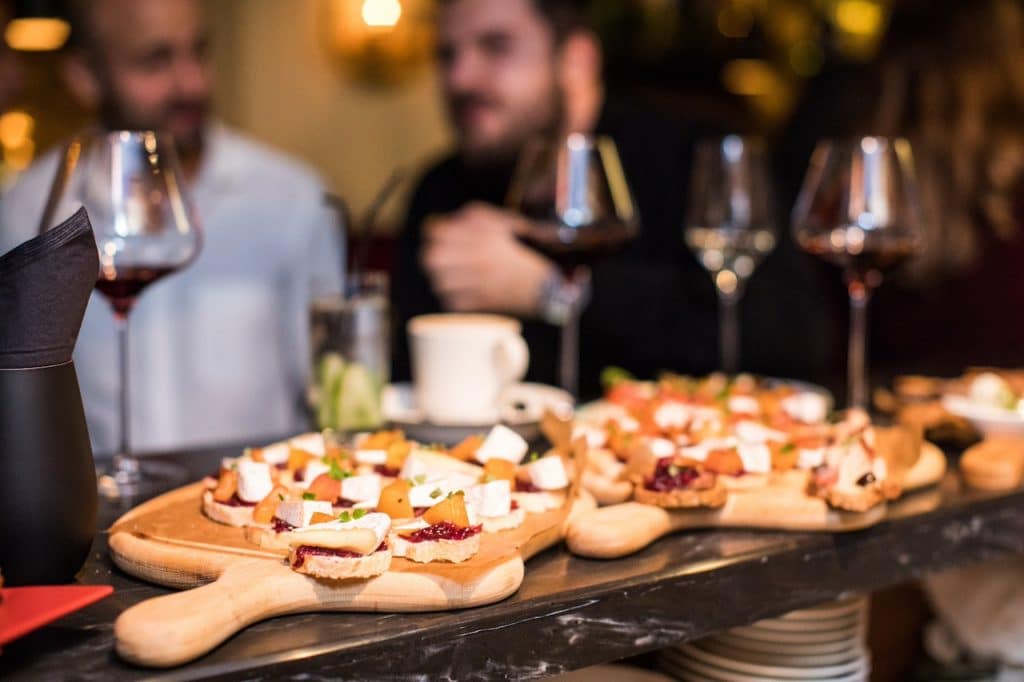
The restaurant industry has developed a wide range of dining concepts, each offering a different approach to food, drinks, atmosphere, and customer experience. Some restaurants are built around traditional meals, others focus on specific cuisines, and some have developed distinctive identities by combining food with social experiences. Gastropubs and tapas bars are two examples of restaurant concepts that have become popular internationally.
At first glance, gastropubs and tapas bars might appear similar. Both often serve alcoholic beverages, offer food that encourages customers to socialize, and create relaxed environments where people can spend time with friends. Neither necessarily follows the traditional structure of a formal restaurant, where customers order a starter, main course, and dessert in a fixed sequence.
However, the two concepts have different origins, culinary traditions, menus, and approaches to dining. A gastropub combines the atmosphere and beverage culture of a traditional pub with a stronger emphasis on freshly prepared, restaurant-quality food. A tapas bar, on the other hand, is centered on the Spanish tradition of serving small portions of food, often alongside drinks, with an emphasis on sharing, variety, and social interaction.
Understanding the difference is useful not only for customers deciding where to eat but also for restaurant owners, hospitality professionals, chefs, and entrepreneurs considering which type of establishment to operate. Although there can be overlap between the two concepts, their identities are distinct.
This guide examines what gastropubs and tapas bars are, where they originated, how their menus differ, their typical service styles, customer expectations, business models, and the circumstances in which one concept may be more suitable than the other.
What Is a Gastropub?
A gastropub is a pub that places considerable emphasis on the quality of its food. The word combines “gastronomy” and “pub”, reflecting the idea of bringing more ambitious cooking into an establishment traditionally associated with beer, spirits, and casual social drinking.
In a conventional pub, customers may visit primarily for a pint of beer, a glass of wine, or a meeting with friends. Food is often available, but historically it played a secondary role. Traditional pub menus frequently included straightforward meals such as fish and chips, meat pies, sandwiches, sausage and mash, and other filling dishes.
Gastropubs developed as restaurant-quality cooking became a more prominent part of the pub experience. They retained the informal character of pubs while introducing better ingredients, more involved preparation techniques, seasonal menus, and dishes that reflected the skills of professional chefs.
The food is often comparable to what customers might find in a casual dining restaurant. A gastropub may serve slow-cooked beef, handmade burgers, fresh seafood, roasted vegetables, braised meats, homemade desserts, and carefully prepared vegetarian dishes. Some establishments also offer tasting menus or more elaborate seasonal specials.
The important distinction is that the pub identity remains central. Customers can usually visit for a drink without ordering a full meal, while others may reserve a table specifically for lunch or dinner.
The Origin and Development of Gastropubs
The modern gastropub movement is generally traced to London in 1991, when David Eyre and Mike Belben took over The Eagle in Clerkenwell. They developed the pub’s food offering and gave greater attention to cooking, helping establish a model in which food and drink received similar consideration.
Before this development, British pubs were primarily drinking establishments. Many served simple food, but the kitchen was not necessarily the main attraction. The gastropub concept challenged that arrangement by making the quality of the meal a reason to visit.
The idea spread throughout the United Kingdom and eventually reached other markets, particularly the United States, Canada, Australia, and parts of Europe. In these countries, gastropubs adapted to local tastes and available ingredients.
An American gastropub, for example, might feature craft beer, smoked brisket, gourmet hamburgers, and locally sourced produce. An Australian version may focus on grilled meats, seafood, regional wines, and contemporary Australian cooking. In South Africa, a similar establishment might combine local craft beer with boerewors-inspired dishes, lamb, burgers, steaks, and locally sourced ingredients.
There is no single international gastropub menu. What defines the establishment is the combination of a pub-style setting and a serious approach to food.
Typical Gastropub Menu
Gastropub menus are usually broader than those of specialist bars because they are expected to accommodate customers looking for a complete meal.
Common menu categories include:
– Starters: Soup, chicken wings, calamari, Scotch eggs, charcuterie, salads, and seasonal vegetable dishes.
– Main courses: Steak, fish and chips, roast chicken, shepherd’s pie, braised beef, gourmet burgers, pork belly, and grilled fish.
– Sides: Chips, mashed potatoes, roasted vegetables, onion rings, coleslaw, and seasonal greens.
– Desserts: Sticky toffee pudding, chocolate brownies, cheesecakes, fruit crumbles, and ice cream.
– Bar snacks: Nuts, olives, sausage rolls, pork scratchings, crisps, and small sandwiches.
A gastropub may also offer a changing menu based on the season. This gives chefs an opportunity to work with ingredients that are readily available and allows the establishment to introduce new dishes without redesigning the entire menu.
The beverage selection is another important part of the concept. Beer often receives considerable attention, especially craft beer, local ales, lagers, stouts, and seasonal brews. Wine, cider, cocktails, spirits, and non-alcoholic drinks are also common.
Some gastropubs develop relationships with local breweries or wineries. Others operate their own brewing facilities or emphasize a carefully selected drinks list.
Atmosphere and Customer Experience
The atmosphere of a gastropub is usually relaxed, sociable, and informal. The interior might feature wooden tables, exposed brick, comfortable seating, a prominent bar, traditional pub decorations, or contemporary restaurant design.
Unlike a fine-dining restaurant, a gastropub generally does not require customers to dress formally or follow elaborate service procedures. Guests can enjoy a casual drink, watch a sporting event, meet friends, or sit down for a substantial meal.
Service arrangements vary. Some gastropubs offer traditional table service, while others combine counter ordering with table delivery. The approach often depends on the size of the establishment and the expectations of its customers.
A well-run gastropub needs to manage two different patterns of business. Some guests occupy tables for meals, while others may spend time at the bar without ordering food. This affects seating arrangements, staffing, kitchen schedules, and the way the business manages peak periods.
For restaurant operators, the ability to attract customers throughout the day is one of the concept’s practical advantages. A gastropub may serve lunch, dinner, weekend brunch, and evening drinks, depending on its location and operating model.
What Is a Tapas Bar?
A tapas bar is an establishment that specializes in serving tapas, which are small Spanish dishes traditionally enjoyed with drinks. The format encourages customers to order several different items rather than choosing one large main course.
Tapas can be served hot or cold. They range from simple snacks, such as olives and almonds, to more elaborate preparations involving seafood, meat, vegetables, eggs, cheese, and sauces.
In Spain, tapas culture is closely connected to social dining. Friends may visit several bars during one evening, ordering a drink and a small dish at each stop. This practice is commonly known as tapeo. It allows people to experience different foods and establishments during the same outing.
A tapas bar can be a small neighborhood establishment with a few stools and a counter, or a larger restaurant with tables, an extensive wine list, and a professional kitchen. Some operate primarily as drinking establishments, while others are full-service restaurants built around small plates.
The essential characteristic is the tapas format. Food is generally served in portions intended for individual snacking or sharing, and customers decide how many dishes to order.
The Origin and History of Tapas
Tapas originated in Spain, although the precise history of the tradition is disputed. Several stories explain how the custom developed, and there is no universally accepted account of its beginnings.
One commonly repeated explanation connects the word tapa with the Spanish verb tapar, meaning “to cover.” According to this account, small plates of food were placed over drinking glasses to protect beverages from dust or insects. Over time, the food served with drinks became a recognizable part of Spanish bar culture.
Another popular historical account associates tapas with King Alfonso X of Castile, who was said to have consumed small portions of food with wine for health reasons. These stories are part of the tradition’s history, but they should not be treated as proven explanations.
What is clear is that tapas developed into a distinctive way of eating and socializing in Spain. Different regions created their own specialties using local ingredients, cooking methods, and culinary traditions.
In Andalusia, for example, customers may encounter fried seafood, olives, cured meats, and gazpacho. In the Basque Country, small bites known as pintxos are particularly well established. They are often served on bread and secured with a small wooden skewer, although modern pintxos can be more elaborate.
Catalonia, Galicia, Madrid, and other Spanish regions also have their own food traditions. Consequently, a tapas bar in Seville may have a different menu and atmosphere from one in Barcelona or San Sebastián.
As Spanish cuisine gained international recognition, tapas bars spread to cities across Europe, North America, Asia, Africa, and other regions. International establishments frequently adapt the format by using local ingredients and incorporating dishes from other cuisines.
Typical Tapas Bar Menu
A tapas bar usually offers a collection of small dishes that customers can combine according to their appetite and preferences.
Common examples include:
– Patatas bravas: Fried or roasted potatoes served with a spicy sauce, often accompanied by aioli.
– Croquetas: Small breaded and fried portions with fillings such as ham, chicken, cheese, or seafood.
– Gambas al ajillo: Prawns cooked with garlic and olive oil.
– Tortilla española: Spanish potato omelette, commonly made with eggs, potatoes, and onions.
– Jamón ibérico: Spanish cured ham, often served in thin slices.
– Albóndigas: Meatballs prepared with tomato or another sauce.
– Calamares: Squid, commonly battered and fried.
– Aceitunas: Olives served plain or marinated with herbs, garlic, and other seasonings.
– Pan con tomate: Bread rubbed with tomato and olive oil, a popular Catalan preparation.
– Pimientos de padrón: Small green peppers cooked with olive oil and salt.
The menu may also include cheese, grilled vegetables, mussels, anchovies, prawns, and regional sausages.
Some tapas bars maintain a traditional Spanish menu, while others introduce contemporary interpretations. A modern tapas restaurant may serve octopus with a creative sauce, miniature seafood dishes, or carefully presented vegetable preparations.
Portion sizes are central to menu planning. A dish must be large enough to offer a satisfying taste but small enough to encourage customers to order other items.
The beverage menu usually includes Spanish wines, sherry, beer, cider, vermouth, sangria, and non-alcoholic options. In some establishments, wine and sherry are given particular attention because they pair naturally with the food.
Atmosphere and Customer Experience
Tapas bars are often lively and social. In traditional Spanish establishments, customers may stand at the counter, order a drink, eat a small plate, and continue their evening elsewhere.
Other tapas bars offer a more relaxed dining arrangement, with customers seated around tables and ordering several rounds of food throughout the meal.
The pace of service can differ from that of a conventional restaurant. Rather than receiving all their food at once, guests may order a few dishes, eat them, and then request more. This creates a flexible dining experience where customers control the number and variety of plates.
Sharing is common, although not every tapas dish is designed to be divided between several people. Some items are individual portions, while others are placed in the middle of the table.
For restaurant owners, this service style requires careful coordination between the kitchen and front-of-house team. Orders may arrive in several rounds, and dishes need to reach the table at an appropriate pace. Staff should also understand portion sizes so they can help customers estimate how much food to order.
The Main Differences Between Gastropubs and Tapas Bars
Although both establishments can serve alcoholic beverages and casual food, their operating concepts are different. A gastropub is built around the traditional pub experience, with restaurant-quality meals as a major part of its offering. A tapas bar is built around Spanish small-plate dining, where customers order several dishes, often sharing them with others.
The following comparison highlights the differences.
| Feature | Gastropub | Tapas Bar |
|---|---|---|
| Origin | United Kingdom | Spain |
| Main concept | Pub serving restaurant-quality food | Bar specializing in small Spanish dishes |
| Food portions | Usually individual meal portions | Small portions, often shared |
| Menu | Starters, mains, sides, desserts, snacks | Multiple small hot and cold dishes |
| Dining style | Individual meals or casual group dining | Sharing and ordering several rounds |
| Beverage focus | Beer, craft beer, cider, wine, cocktails | Spanish wine, sherry, beer, vermouth, sangria |
| Atmosphere | Relaxed pub environment | Social, lively bar environment |
| Service | Table service, counter service, or both | Counter service, table service, or both |
| Typical visit | Lunch, dinner, drinks, sporting events | Drinks, snacks, social gatherings, extended meals |
| Food identity | Often British-inspired or locally adapted | Spanish-inspired cuisine |
| Menu structure | Usually organized by meal courses | Usually organized by individual dishes |
| Customer ordering | Often one main meal per person | Several dishes ordered per person or group |
1. Food Portions and Meal Structure
The difference in portion sizes is one of the easiest ways to distinguish these establishments.
At a gastropub, a customer will generally order a complete meal. Someone might choose a starter, followed by a steak, fish and chips, or a burger, and finish with dessert. The dishes are usually prepared as individual servings.
At a tapas bar, customers typically order several small plates. One person might choose patatas bravas, croquetas, garlic prawns, and Spanish tortilla. A group might order multiple dishes and place them in the center of the table.
This changes the way customers approach the menu. A gastropub encourages customers to select a meal, whereas a tapas bar encourages them to explore several dishes.
2. Food Preparation and Culinary Influences
Gastropub cooking often takes inspiration from British comfort food, European cuisine, and contemporary restaurant techniques. The chef may take a familiar dish and improve it through better ingredients, more careful preparation, or a different presentation.
For example, a traditional beef pie might be made with slow-braised beef, homemade pastry, and a carefully prepared gravy. A conventional burger might use freshly ground beef, artisan bread, house-made sauces, and locally sourced cheese.
Tapas cooking has a stronger connection to Spanish culinary traditions. Olive oil, garlic, seafood, cured meats, potatoes, peppers, tomatoes, and regional cheeses feature prominently in many menus.
Traditional preparation methods remain important, although contemporary tapas chefs frequently experiment with presentation and ingredients.
The two concepts can overlap. A gastropub may serve small plates, while a tapas bar may offer substantial dishes. The distinction comes from the overall restaurant identity and the way the menu is organized.
3. Beverage Selection
Both establishments depend on beverage sales, particularly alcoholic drinks, but their beverage identities are often different.
Gastropubs frequently give considerable attention to beer. Customers may find local craft breweries represented alongside established beer brands. Cask ales, pale ales, stouts, lagers, and seasonal brews are common in British-style establishments.
Wine and cocktails have also become important in many gastropubs. Some restaurants employ knowledgeable bar staff who can recommend drinks to accompany particular dishes.
Tapas bars traditionally place greater emphasis on Spanish beverages. These may include Rioja, Albariño, Tempranillo-based wines, sherry, Spanish lager, cider, and vermouth. Sangria is also popular in many international tapas restaurants, although it is not the only or defining drink of Spanish tapas culture.
The beverage selection should complement the food. A Spanish white wine might accompany seafood tapas, while a gastropub might recommend an ale alongside a steak pie or a craft lager with a burger.
4. Restaurant Layout and Seating
The physical design of these establishments often reflects their different dining traditions.
A gastropub typically has a prominent bar area, dining tables, and seating that accommodates customers who want to eat full meals. Larger establishments may include outdoor terraces, private dining areas, and separate spaces for watching sports.
A tapas bar may place more emphasis on the bar counter and smaller tables. In traditional Spanish establishments, customers may stand while eating, particularly during busy periods.
Modern tapas restaurants frequently provide conventional restaurant seating. Some also have open kitchens, communal tables, and counter seating where customers can watch dishes being prepared.
The seating arrangement influences customer turnover. A tapas bar with a busy standing area may accommodate many short visits, while a gastropub with comfortable dining tables may have customers staying for an entire meal and drinks afterward.
5. Customer Demographics and Dining Occasions
Gastropubs appeal to customers who enjoy a relaxed drinking environment but also want a satisfying meal. They can attract office workers during lunch, families during weekends, couples looking for casual dinners, and groups meeting for drinks.
Sports events can also influence gastropub business. Establishments that have televisions and suitable seating may attract customers during football, rugby, cricket, and other major sporting competitions.
Tapas bars often attract people who enjoy social dining and trying different foods. Couples may visit for a relaxed evening, while groups of friends may order several dishes and share them over drinks.
They can also be attractive to tourists who want to experience Spanish food culture. In some locations, tapas bars form part of a wider evening entertainment district, with customers moving between establishments.
Neither concept is restricted to a particular age group or income level. Pricing, location, menu quality, and atmosphere have a much greater influence on the type of customer an individual restaurant attracts.
6. Pricing and Customer Spending
Gastropub pricing is usually structured around individual dishes. Customers can see the price of a starter, main course, side, or dessert before ordering.
The total bill is relatively easy to estimate when each person orders a main course and perhaps one additional item. However, craft beverages, premium ingredients, and specialty dishes can increase the average spending per customer.
Tapas pricing works differently. Individual plates may appear inexpensive, but customers often order several items. A table of four might order eight to twelve dishes, depending on the portion sizes and appetites of the group.
Restaurant owners need to calculate the cost of each plate carefully. Small dishes can involve substantial preparation work, and ingredients such as seafood, cured ham, and imported cheeses can be expensive.
A tapas bar should avoid pricing dishes so low that customers expect unlimited food at an unsustainable cost. Portion control, menu engineering, and ingredient management are particularly important.
7. Kitchen Operations and Staffing
Gastropubs generally operate a kitchen capable of preparing full restaurant meals. The kitchen may require chefs responsible for starters, mains, desserts, and food preparation, depending on its size.
During busy periods, several main courses may need to be prepared simultaneously. Timing is important because customers at the same table generally expect their meals to arrive together.
Tapas bars have a different production pattern. A single table may order several different dishes, and additional orders may arrive while the first round is being prepared or served.
Some tapas dishes can be prepared in advance, while others need to be cooked immediately. Cold dishes such as olives, cured meats, and certain salads can be assembled relatively quickly. Fried croquetas, grilled seafood, and hot potatoes require attention from the kitchen.
The kitchen must also manage the order in which dishes leave the pass. Sending every plate at once can overwhelm a small table, while waiting too long between dishes can frustrate customers.
For both concepts, staff training matters. Employees need to understand the menu, ingredients, portion sizes, allergens, and beverage pairings.
Can a Gastropub Also Be a Tapas Bar?
Yes. Restaurant concepts are not always mutually exclusive, and some establishments combine elements of both.
A gastropub might introduce a small-plates menu featuring chicken wings, grilled prawns, charcuterie, fried cheese, and vegetable dishes. Customers can order these items alongside drinks instead of choosing a full meal.
Similarly, a tapas bar might offer larger dishes, such as grilled steak, roasted chicken, or seafood platters, for customers who want something more substantial.
However, offering small plates does not automatically make a restaurant a tapas bar. The Spanish culinary influence, menu structure, and approach to social dining are important parts of the tapas identity.
There is also a related restaurant concept known as a gastrobar. Gastrobar menus often combine the casual atmosphere and small-plate format associated with tapas bars with more contemporary, chef-led cooking. The terminology is not applied consistently across countries, but it illustrates how restaurant concepts can overlap.
For an operator, the important consideration is whether customers can understand what the establishment offers. A clear concept makes menu development, branding, pricing, and marketing easier.
Which Type of Restaurant Is More Profitable?
There is no universal answer. Profitability depends on the location, rental costs, customer demand, food costs, staffing, operating hours, beverage sales, and management.
Both gastropubs and tapas bars can be successful, but their financial models have different characteristics.
Gastropub Business Model
A gastropub can generate revenue through full meals, alcoholic beverages, bar snacks, private events, and weekend dining.
Its larger food portions mean ingredient costs can be significant. Premium meat, seafood, specialty cheeses, and fresh produce require careful purchasing and stock management.
However, customers who order full meals may generate higher food revenue per transaction. Beverage sales can add another revenue stream, particularly when the establishment has a strong craft beer or cocktail offering.
Gastropubs also have opportunities to attract different customers throughout the week. A weekday lunch menu, evening dining, weekend brunch, and sporting events can help increase sales.
One challenge is maintaining the right balance between the kitchen and the bar. If the restaurant becomes too focused on elaborate food, it may lose the relaxed pub atmosphere that attracts regular customers. If the food quality falls, it may struggle to compete with established restaurants.
Tapas Bar Business Model
Tapas bars can benefit from customers ordering multiple dishes during a single visit. Each additional plate creates another sales opportunity.
They may also offer flexibility in pricing. Customers can start with a few inexpensive dishes and add premium items as they become more comfortable with the menu.
Beverage sales are important, particularly when customers stay for an extended period and order several rounds.
However, the kitchen must monitor the cost of preparing many small dishes. A plate that looks inexpensive to customers may have a relatively high food cost if it contains imported seafood, cured meat, or labor-intensive ingredients.
The number of individual orders can also increase pressure on kitchen operations. Efficient preparation, appropriate staffing, and accurate order management are necessary to maintain service speed.
Important Financial Considerations
| Business Consideration | Gastropub | Tapas Bar |
|---|---|---|
| Food cost management | Full-meal portion control | Small-plate portion control |
| Beverage revenue | Often strong beer and craft drink sales | Often strong wine and Spanish drink sales |
| Kitchen workload | Concentrated around meal periods | Can involve frequent small orders |
| Average transaction | Often based on meals and drinks | Depends on number of plates and drinks |
| Menu flexibility | Seasonal mains and specials | Frequent changes to individual plates |
| Seating strategy | Dining tables and bar seating | Bar counters, small tables, communal seating |
| Main operational concern | Coordinating full meals and bar activity | Managing multiple dishes and order timing |
Restaurant owners should use actual sales figures, recipe costs, labor expenses, and operating expenses when comparing the profitability of the two concepts. Neither format guarantees higher margins.
How Restaurant Technology Helps Gastropubs and Tapas Bars
Technology plays an important role in managing both types of establishments. Although their menus and service styles differ, they share many operational requirements.
A restaurant point-of-sale (POS) system can help manage orders, process payments, monitor sales, track inventory, and provide information about business performance.
For a gastropub, a POS system can help manage:
- Full meal orders and modifications.
- Different beer sizes and beverage options.
- Kitchen order tickets and preparation times.
- Table assignments and bill splitting.
- Ingredient stock levels and menu availability.
- Sales reports for food and beverages.
For a tapas bar, the same technology can support:
- Multiple small dishes ordered at different times.
- Sharing arrangements and split bills.
- Kitchen routing for hot and cold dishes.
- Menu availability and ingredient tracking.
- Tracking the popularity of individual tapas dishes.
- Monitoring food costs and beverage sales.
The ability to send orders directly to the kitchen is particularly useful for tapas bars. Staff can enter additional dishes as customers order them without having to rewrite an entire table order.
Gastropubs also benefit from table management and kitchen communication, especially when the dining room and bar operate simultaneously.
A cloud-based POS solution such as Slant POS can help independent hospitality businesses manage their daily sales and restaurant operations. For operators, the important thing is to choose a system that supports their menu structure, payment requirements, hardware, reporting, and inventory needs.
How to Choose Between Opening a Gastropub and a Tapas Bar
Entrepreneurs considering either concept should begin by researching the local market. The fact that gastropubs or tapas bars are successful in another country does not automatically mean the same format will work in their proposed location.
A gastropub may be suitable in an area where customers appreciate casual dining, craft beer, hearty meals, and a comfortable place to socialize. Locations near offices, residential neighborhoods, entertainment districts, and sporting venues may offer opportunities.
A tapas bar may be more appropriate in an area with an established evening dining culture, a strong interest in international cuisine, and customers who enjoy sharing food. Tourist destinations and busy hospitality districts can also provide opportunities.
Before committing to either concept, an operator should consider the following:
1. Local Customer Preferences: Research whether customers prefer individual meals, shared plates, or a combination of both. Menu testing can reveal which dishes attract repeat orders.
2. Ingredient Availability: A gastropub may depend on quality meat, fresh produce, and local beer suppliers. A Spanish tapas concept may require particular cheeses, cured meats, olives, seafood, and specialty ingredients.
3. Kitchen Requirements: Compare the equipment, preparation space, storage, and staffing required for each menu. Small plates still require considerable kitchen organization.
4. Alcohol Licensing: Both concepts may depend on alcohol sales. Understand the local licensing requirements, operating restrictions, age verification rules, and responsible-service obligations before opening.
5. Restaurant Location: Consider foot traffic, nearby competitors, parking, public transport, rent, and the surrounding customer base.
6. Pricing Strategy: Establish recipe costs and selling prices before finalizing the menu. The business must generate enough gross profit to cover labor, rent, utilities, marketing, and other operating expenses.
7. Brand Positioning: Decide whether the establishment will emphasize traditional pub culture, contemporary British cooking, authentic Spanish tapas, or a more experimental small-plate experience.
The strongest concept is one that fits the local market and can be operated consistently. A restaurant with an impressive menu will still struggle if its kitchen cannot deliver dishes at the expected quality and speed.
Frequently Asked Questions About Gastropubs and Tapas Bars
Is a Gastropub Considered a Restaurant?
Yes. A gastropub is generally considered a restaurant-bar hybrid. It serves restaurant-quality food while retaining the atmosphere and beverage service associated with a traditional pub. Some customers visit primarily for drinks, while others come specifically to eat.
Is a Tapas Bar a Restaurant or a Bar?
A tapas bar can be classified as either, depending on its main operation. Some establishments function primarily as bars that serve small dishes, while others operate as full-service restaurants specializing in Spanish cuisine. The defining feature is their tapas-focused menu.
Are Tapas Always Spanish Food?
Traditional tapas are Spanish, and the term refers to a distinct part of Spanish food culture. International restaurants sometimes adapt the small-plate format to other cuisines, but these dishes are not necessarily traditional Spanish tapas.
Can You Have a Full Meal at a Tapas Bar?
Yes. Customers can order enough tapas to make a complete meal. Many people choose several dishes, sometimes adding larger plates or sharing platters. The number of dishes required depends on their portion sizes and the appetite of the diners.
Do Gastropubs Serve Traditional Pub Food?
Many do. Steak and ale pies, fish and chips, shepherd’s pie, burgers, and Sunday roasts remain popular. The difference is often the quality of ingredients, preparation, and presentation.
Are Tapas Bars More Expensive Than Gastropubs?
Not necessarily. Individual tapas dishes can be relatively inexpensive, but ordering several plates can increase the total bill. Gastropubs often have clearly priced main courses, although premium dishes and beverages can also make a meal expensive.
Do Gastropubs Serve Small Plates?
Yes. Many modern gastropubs offer small plates, sharing boards, appetizers, and bar snacks. These items complement the pub atmosphere and allow customers to eat without ordering a complete meal.
What Is the Difference Between Tapas and Appetizers?
An appetizer is generally a dish served before a main course. Tapas are small Spanish dishes that can be eaten as snacks, shared with drinks, or combined to create an entire meal. Their role in the dining experience is therefore broader than that of a conventional appetizer.
What Is the Difference Between a Tapas Bar and a Pintxos Bar?
Both are associated with Spanish food culture, but pintxos are particularly connected to the Basque Country. Traditional pintxos are often small portions served on bread and held together with a skewer. Tapas cover a broader range of hot and cold dishes, many of which are served without bread or skewers.
Can a Gastropub Serve Tapas?
Yes. A gastropub can introduce Spanish-inspired small plates as part of its menu. However, unless the overall restaurant concept is built around tapas, it would generally remain a gastropub offering tapas-style dishes.
Final Thoughts: Gastropubs vs Tapas Bars
Gastropubs and tapas bars represent two different approaches to casual food and beverage service.
A gastropub takes the traditional pub experience and places greater emphasis on the quality of its food. Customers can enjoy a beer, meet friends, watch a sporting event, or order a complete restaurant-style meal in a relaxed environment. Its menu often includes familiar comfort food prepared with greater attention to ingredients and cooking.
A tapas bar follows the Spanish small-plate tradition. Customers order several dishes, share food, enjoy drinks, and often take their time exploring the menu. The experience is more flexible, with the number and variety of dishes determined by the preferences of the people dining together.
For customers, the choice depends on the occasion. Someone looking for a substantial meal and a pint may prefer a gastropub. Someone interested in trying several dishes with friends may enjoy a tapas bar.
For restaurant entrepreneurs, both concepts offer viable business opportunities when supported by the right location, menu, pricing, kitchen operations, and customer demand. The decision should come down to the dining experience they want to provide and the type of hospitality business they can operate successfully.
Free Restaurant POS Software
The Easy-to-Use POS System Built for Restaurants. Works on Any Device. No Credit Card Required.
Get Your Free POSFree Forever. No Credit Card Required.


