
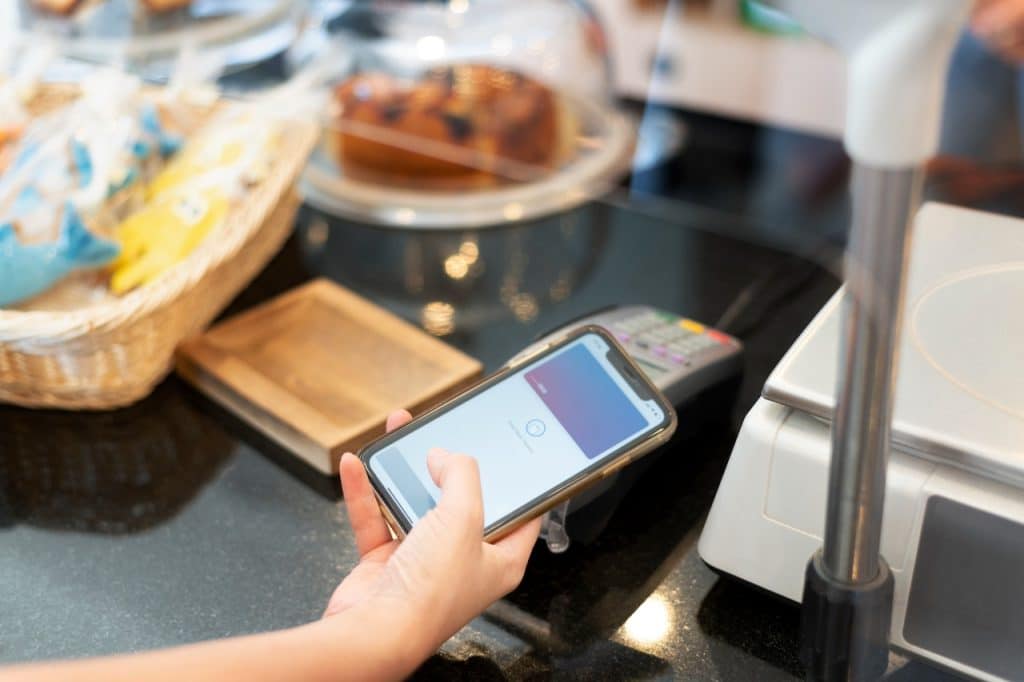
The digital payments landscape in Honduras—especially within food businesses like restaurants, cafés, street vendors, and delivery kitchens—is a hybrid ecosystem. While cash still dominates overall transactions, digital payment adoption is accelerating quickly due to mobile penetration, fintech innovation, and changing consumer behavior.
Below is a deep, structured breakdown of the top digital payments used in food businesses in Honduras, including how they work, where they are most common, and why they matter for restaurant owners.
The Reality: Cash Still Leads, But Digital Is Growing Fast
Before diving into digital methods, it’s important to understand the baseline:
- Cash (Honduran lempira) remains the most widely used payment method overall
- However, digital payments are rapidly expanding, especially in cities and among younger consumers
- Around 3.2 million people already use digital payments, and growth is accelerating
For food businesses, this means one thing:
👉 You must support both cash and digital payments to stay competitive.
1. Debit & Credit Card Payments (POS Systems)
Why It’s Important
Card payments are the most widely adopted digital method in formal food businesses such as:
- Restaurants
- Cafés
- Fast food chains
- Supermarkets
Major networks include:
- Visa
- Mastercard
How It Works in Food Businesses
- Customers pay via card terminals (POS systems)
- Payments are processed through banks or payment processors
- Funds settle into the business bank account
Key Trends
- Increasing use of contactless (tap-to-pay)
- Integration with POS systems for order + payment workflows
- Widely accepted in urban areas but less so in rural regions
Why Restaurants Use It
- Higher average ticket size
- More secure than cash
- Essential for tourists and middle/upper-income customers
2. Mobile Wallets (Most Important Growth Area)
Leading Examples in Honduras
- Tigo Money
- Bank-based wallets (e.g., Banco Atlántida apps)
Why They Matter
Mobile wallets are arguably the fastest-growing payment method in Honduras due to:
- High mobile phone penetration (80%+ of population)
- Lower banking access (less than 40% banked population)
How Food Businesses Use Them
- QR code payments
- Phone number transfers
- In-app checkout for delivery
Common Use Cases
- Street food vendors
- Small cafés
- Delivery orders
- Informal food stalls
Key Advantages
- No need for traditional bank account
- Faster transactions than cash
- Lower fees than card processing
Why This Is Critical
Mobile wallets bridge the gap between cash and digital, making them essential for:
👉 Small food businesses
👉 Informal vendors
👉 Rural operations
3. Mobile POS (mPOS) & Tablet-Based Payments
What It Is
Mobile POS systems allow food businesses to:
- Accept card payments via smartphones or tablets
- Manage orders and payments in one system
Market Growth
- Expected to reach $1.92 billion in transaction value by 2025
- Growing at over 20% annually
Where It’s Used
- Coffee shops
- Food trucks
- Casual dining restaurants
- Pop-ups and events
Why It’s Popular
- Lower cost than traditional POS hardware
- Portable (ideal for waiters or outdoor service)
- Combines:
- Orders
- Payments
- Reporting
Real Impact
Mobile POS is transforming how small food businesses operate by making digital payments accessible without heavy investment.
4. Bank Transfers & ACH Payments
What It Is
Bank transfers (ACH) are widely used for:
- Supplier payments
- Bulk transactions
- B2B food operations
How It Works
- Customer or business transfers funds directly between bank accounts
- Processed through national clearing systems
Key Insight
ACH systems are one of the most commonly used payment rails globally, including Honduras
Use in Food Businesses
Less common for in-store purchases, but important for:
- Catering payments
- Wholesale food supply
- Corporate clients
5. QR Code Payments (Rapid Adoption in Small Vendors)
What It Is
Customers scan a QR code to pay via:
- Mobile wallet
- Banking app
- Crypto wallet (in some cases)
Why It’s Growing Fast
- No expensive POS hardware required
- Works well in low-infrastructure environments
- Ideal for street vendors and markets
Real Example Use Cases
- Fixed-price QR codes for menu items
- Faster checkout at food stalls
- Reduced cash handling
Benefits for Food Businesses
- Lower fees
- Faster service
- Easy setup
QR payments are becoming one of the most practical digital tools for small food vendors.
6. Online Payment Gateways (For Delivery & Pre-Orders)
Examples
- PayPal (available in Honduras)
- Regional payment processors
Where Used
- Food delivery websites
- Mobile ordering apps
- Catering services
How It Works
- Customer pays online via:
- Card
- Wallet
- Payment link
Why It Matters
With the growth of delivery:
👉 Online payments are becoming essential for modern food businesses
Benefits
- Reduces no-shows
- Enables pre-orders
- Improves cash flow
7. Contactless Payments (Tap-to-Pay)
What It Includes
- NFC-enabled cards
- Mobile wallets (Google Wallet, etc.)
Adoption Status
- Growing but not universal
- Dependent on POS hardware and bank support
Why It’s Important
- Faster checkout
- Better customer experience
- Increasing demand post-COVID
8. Cryptocurrency Payments (Emerging / Niche)
Current Status
Still niche, but growing in certain areas.
Where It’s Used
- Tech-forward vendors
- Tourist-heavy areas
- Experimental fintech platforms
How It Works
- QR code payments using crypto wallets
- Instant settlement in crypto or USD
Example Benefits
- Lower fees
- No bank dependency
- Cross-border flexibility
Reality Check
Crypto is not mainstream yet, but it’s being tested in:
- Market stalls
- Small vendors
- Digital-first businesses
9. Payment Links & Remote Payments
What It Is
Businesses send a link via:
- SMS
Customer clicks and pays online.
Why It’s Popular
- No POS required
- Works for delivery and takeout
- Easy for small businesses
Use Cases
- Home-based food businesses
- Catering
- Instagram food sellers
10. Digital Ordering + Integrated Payments
What It Includes
- Mobile apps
- QR menu ordering
- Self-service kiosks
Features
- Digital menu
- Order tracking
- Payment integration
Why It’s Growing
Restaurants are adopting:
👉 Full digital ecosystems (ordering + payment + POS)
Benefits
- Faster service
- Fewer errors
- Better customer experience
Key Trends Shaping Digital Payments in Honduras Food Businesses
1. Mobile-First Economy
Because many people don’t have bank accounts:
👉 Mobile wallets are leading the digital shift
2. Hybrid Payment Systems
Most businesses accept:
- Cash
- Cards
- Mobile payments
This flexibility is critical.
3. Growth of Informal Digital Payments
Small vendors are adopting:
- QR payments
- Mobile wallets
Faster than traditional banking systems.
4. POS + Payment Integration
Modern food businesses want:
- Orders
- Inventory
- Payments
All in one system.
5. Increasing Financial Inclusion
Digital payments are expanding access to:
- Banking
- Commerce
- Entrepreneurship
What This Means for Food Business Owners
If you run a food business in Honduras, the ideal payment stack looks like this:
Minimum Setup
- Cash
- Card payments (POS or mPOS)
- Mobile wallet (Tigo Money)
Growth Setup
- QR code payments
- Online ordering with payments
- Payment links
Advanced Setup
- Integrated POS system
- Contactless payments
- Multi-channel payments (in-store + online + delivery)
Final Takeaway
The top digital payments used in food businesses in Honduras can be summarized as:
Core Methods
- Card payments (POS systems)
- Mobile wallets (Tigo Money, bank apps)
- Mobile POS systems
Fast-Growing Methods
- QR code payments
- Online payments (PayPal, gateways)
- Payment links
Emerging Methods
- Contactless (NFC)
- Cryptocurrency
Bottom Line
Honduras is transitioning from a cash-heavy economy to a mobile-first digital payment ecosystem.
For food businesses, success depends on one key principle:
👉 Offer multiple payment options that match your customers’ habits—not just your preferences.
The businesses that win are the ones that:
- Accept both cash and digital
- Embrace mobile payments early
- Reduce friction at checkout


