
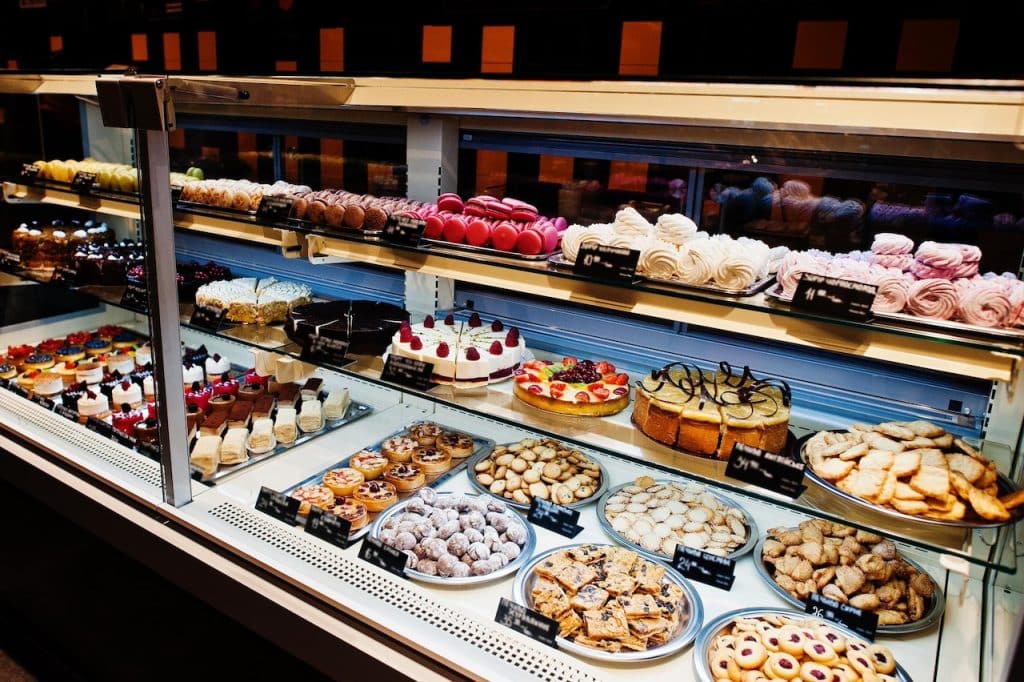
Running a pastry shop is very different from operating a traditional restaurant or retail store. A pastry business handles delicate inventory, custom orders, seasonal demand, walk-in customers, pre-orders, catering requests, and often a mix of dine-in and takeaway service. Because of this, choosing the right point-of-sale system is one of the most important operational decisions a pastry shop owner can make.
A modern POS system does far more than process payments. It becomes the operational center of the business. It tracks inventory, monitors ingredient usage, manages staff, records customer preferences, organizes online orders, and provides financial reports that help owners make better decisions. For pastry shops, bakeries, dessert cafés, and cake stores, the wrong POS system can create major problems. Slow checkout speeds, inventory inaccuracies, missing custom orders, poor reporting, and disconnected online ordering systems can quickly hurt profits and customer satisfaction. On the other hand, the right pastry shop POS system can improve efficiency, reduce waste, increase customer loyalty, and help the business scale smoothly.
This guide explains exactly how to choose the right pastry shop POS system, what features matter most, what mistakes to avoid, and how to evaluate your options before making a final decision.
Understand the Needs of Your Pastry Shop First
Before comparing POS providers, it is important to understand the unique operational needs of your pastry business. Not every pastry shop operates the same way. Some focus heavily on walk-in dessert sales. Others specialize in wedding cakes, specialty pastries, coffee service, or wholesale baking. The right POS system for your shop depends on your operational structure. You should start by identifying:
Your Service Model
Do you operate:
- A takeaway pastry counter?
- A dessert café with seating?
- A custom cake business?
- A bakery with wholesale clients?
- Multiple locations?
- Mobile pastry carts or kiosks?
Different business models require different POS features.
For example: - A dessert café may prioritize table management and kitchen printing.
- A custom cake business may need invoice management and customer notes.
- A wholesale bakery may require bulk order tracking and scheduled invoicing.
Your Daily Sales Volume
A busy pastry shop processing hundreds of orders daily needs a fast and stable POS system. A small boutique cake store may prioritize customer relationship features more than speed. Understanding transaction volume helps determine:
- Hardware requirements
- System speed
- Multi-terminal support
- Offline functionality
Your Inventory Complexity
Pastry shops often manage:
- Perishable ingredients
- Recipe-based inventory
- Seasonal products
- Daily production limits
- Freshness tracking
This makes inventory management far more complicated than standard retail stores.
If inventory is a major pain point in your business, prioritize POS systems with strong ingredient-level inventory features.
Essential Features Every Pastry Shop POS System Should Have
Not all POS systems are designed for food businesses. Even fewer are optimized for pastry shops and bakeries. Here are the most important features to look for.
Fast and Easy Checkout
Speed matters in pastry shops, especially during morning rushes, weekends, and holiday periods. Customers buying coffee and pastries expect quick service. A good POS system should offer:
- Simple product navigation
- Quick modifiers
- Barcode scanning
- Fast receipt printing
- Touchscreen optimization
- Easy split payments
- Contactless payment support
The checkout process should require as few taps as possible. If staff struggle to use the system during busy periods, it will slow service and frustrate customers.
Ingredient-Level Inventory Tracking
Inventory management is one of the biggest challenges in pastry businesses. Unlike retail stores, pastry shops do not simply sell packaged products. They use ingredients to produce finished goods. The right POS system should help track:
- Flour
- Sugar
- Butter
- Chocolate
- Cream
- Eggs
- Fruit
- Packaging supplies
Advanced bakery POS systems can deduct ingredients automatically as products are sold.
For example: - Selling one croissant automatically reduces butter and flour inventory.
- Selling one cake slice adjusts the available quantity of the full cake.
This type of automation helps reduce: - Food waste
- Overstocking
- Ingredient shortages
- Manual inventory counting
Custom Order Management
Many pastry shops handle custom orders for:
- Birthday cakes
- Weddings
- Corporate events
- Dessert tables
- Holiday catering
A strong pastry POS system should support: - Scheduled pickup dates
- Customer notes
- Design instructions
- Deposit tracking
- Partial payments
- Order statuses
- Delivery scheduling
Without proper custom order management, pastry shops can easily lose track of deadlines or customer requests.
Integrated Online Ordering
Online ordering has become essential for bakeries and pastry shops. Customers increasingly expect the ability to:
- Pre-order cakes
- Reserve pastries
- Order desserts online
- Schedule pickups
- Request delivery
The best POS systems integrate online and in-store orders into one dashboard.
This prevents operational chaos caused by: - Multiple tablets
- Manual order entry
- Missing orders
- Inventory mismatches
Integrated online ordering also improves reporting accuracy.
Customer Loyalty Programs
Pastry shops benefit heavily from repeat customers. Many customers visit their favorite bakery multiple times per week. A good POS system should include loyalty tools such as:
- Points systems
- Digital rewards
- Birthday offers
- SMS promotions
- Email marketing
- Customer purchase history
Loyalty systems encourage repeat business and increase average order value.
Employee Management Tools
Staff management becomes difficult without the right technology. Your POS system should help with:
- Employee clock-ins
- Role permissions
- Shift tracking
- Sales tracking by employee
- Payroll reporting
- Tip management
These tools help reduce time theft and improve accountability.
Sales Reporting and Analytics
Data helps pastry shop owners make smarter business decisions. A strong POS system should provide detailed reports including:
- Best-selling pastries
- Slow-moving items
- Daily revenue
- Peak business hours
- Labor costs
- Product profit margins
- Ingredient usage
- Customer spending trends
Good reporting can help determine: - Which products should be promoted
- Which items should be removed
- When to schedule more staff
- Which products generate the highest profits
Multi-Location Management
If you plan to expand, your POS should support multiple locations. Multi-location features may include:
- Centralized reporting
- Shared inventory
- Cross-location gift cards
- Unified customer databases
- Transfer management
Even if you currently operate one pastry shop, choosing a scalable system can save time and money later.
Mobile and Tablet Compatibility
Modern pastry shops often prefer tablet-based POS systems because they:
- Save space
- Look cleaner
- Cost less
- Improve mobility
Some pastry businesses even use handheld devices for tableside ordering or line-busting during busy seasons.
Look for systems compatible with: - iPads
- Android tablets
- Mobile phones
- Cloud dashboards
Offline Mode
Internet outages happen. A pastry shop POS system should continue processing sales even when the internet goes down. Offline functionality is extremely important for:
- High-volume stores
- Tourist areas
- Outdoor markets
- Older buildings with unstable internet
Without offline mode, businesses may lose sales during outages.
Kitchen and Production Printing
Pastry shops that produce made-to-order items benefit from kitchen printing features. These allow orders to print directly in:
- Kitchens
- Decorating stations
- Coffee bars
- Packaging areas
This reduces communication errors between front-of-house and production teams.
How Cloud-Based POS Systems Help Pastry Shops
Most modern bakery and pastry POS systems are cloud-based. Cloud systems store data online rather than on a local server. Benefits include:
- Remote access
- Automatic backups
- Real-time reporting
- Easier updates
- Multi-location synchronization
- Lower upfront costs
Owners can check sales and inventory from anywhere using smartphones or laptops.
Cloud-based systems are usually ideal for small and growing pastry businesses.
Hardware Considerations for Pastry Shops
Choosing the software is only part of the decision. You also need the right hardware setup.
Essential POS Hardware
Most pastry shops require:
- Touchscreen terminal
- Receipt printer
- Cash drawer
- Barcode scanner
- Kitchen printer
- Card reader
- Customer display screen
Self-Service Kiosks
Some high-volume dessert shops use self-order kiosks. These can reduce labor costs and improve speed during busy periods. Kiosks work especially well for:
- Frozen yogurt shops
- Dessert cafés
- Bubble tea and pastry hybrids
- Mall bakery locations
Kitchen Display Systems
A kitchen display system can replace paper tickets. These screens show orders digitally in production areas. Benefits include:
- Faster communication
- Fewer lost tickets
- Better workflow management
- Improved order accuracy
Questions to Ask Before Choosing a POS System
Before signing a contract, ask providers these questions.
Is the System Designed for Food Businesses?
Some POS systems are built primarily for retail stores. These often lack:
- Recipe inventory
- Kitchen printing
- Modifier support
- Food cost reporting
Choose a POS designed specifically for restaurants, bakeries, cafés, or pastry shops.
What Are the Total Costs?
POS pricing can be confusing. Costs may include:
- Monthly software fees
- Hardware purchases
- Payment processing fees
- Installation fees
- Training fees
- Support fees
- Add-on modules
Always ask for full pricing transparency.
Is Customer Support Reliable?
POS issues during busy hours can seriously impact revenue. Good customer support is critical. Look for:
- 24/7 support
- Live chat
- Phone support
- Onboarding assistance
- Training resources
- Fast response times
Does It Integrate With Other Tools?
Many pastry shops use additional software such as:
- Accounting software
- Delivery apps
- Payroll systems
- Email marketing tools
- Inventory platforms
A POS system with strong integrations reduces manual work.
Is It Easy to Train Staff?
A complicated POS system creates operational problems. New employees should be able to learn the system quickly. Ask for:
- Demo accounts
- Trial periods
- Staff training tools
- User-friendly interfaces
Common Mistakes Pastry Shop Owners Make When Choosing POS Systems
Choosing Based Only on Price
Cheap POS systems can become expensive if they lack important features. A low-cost system that causes inventory mistakes or slow service can hurt profits more than a higher-quality option.
Ignoring Inventory Features
Many bakery owners underestimate inventory complexity. Without ingredient-level tracking, waste and shortages become difficult to control.
Not Thinking About Growth
Some systems work well for one small location but become problematic when expanding. Choose a scalable solution from the beginning.
Overcomplicating the Setup
Some pastry shops purchase enterprise-level systems with features they never use. This increases costs and training time unnecessarily. Choose a system that fits your current operations while allowing room for growth.
Failing to Test the System Properly
Never choose a POS system without testing it first. Run real scenarios such as:
- Refunds
- Custom cake orders
- Split payments
- Inventory adjustments
- Discounts
- Rush-hour transactions
Hands-on testing reveals usability issues quickly.
The Importance of Payment Processing
Payment processing affects profitability more than many owners realize. Compare:
- Transaction fees
- Hardware compatibility
- Deposit times
- Chargeback handling
- Supported payment methods
Customers increasingly expect: - Tap-to-pay
- Mobile wallets
- QR payments
- Gift cards
- Online payments
The right payment processor improves customer convenience and operational efficiency.
Why Reporting Matters in Pastry Businesses
Many pastry shops operate on tight margins. Without accurate reporting, owners may not realize:
- Which products are unprofitable
- Which shifts lose money
- Which ingredients are overused
- Which employees perform best
Detailed reporting helps optimize: - Menu pricing
- Staffing schedules
- Purchasing decisions
- Production planning
For example:
A pastry shop may discover that premium croissants generate higher profits than custom cupcakes despite lower sales volume.
This insight can influence production priorities.
POS Systems and Food Waste Reduction
Food waste is one of the largest hidden costs in pastry shops. A strong POS system helps reduce waste by:
- Tracking sales trends
- Forecasting demand
- Monitoring ingredient usage
- Identifying slow-moving products
- Improving production planning
Reducing waste improves profitability significantly.
Why Pastry Shops Need Real-Time Inventory
Real-time inventory prevents overselling and shortages. This is especially important for:
- Limited-edition pastries
- Seasonal desserts
- Daily baked items
- Online ordering
Customers become frustrated when products appear available online but are sold out in-store.
Real-time syncing prevents this issue.
Should Small Pastry Shops Use Free POS Systems?
Free POS systems can work for very small pastry businesses with limited operational complexity. However, many free systems lack:
- Advanced inventory
- Recipe tracking
- Custom orders
- Detailed reporting
- Multi-location support
- Integrated online ordering
As pastry businesses grow, upgrading becomes necessary.
Choosing Between Generic Restaurant POS and Bakery-Specific POS
Some bakery owners wonder whether to choose:
- A general restaurant POS
or - A bakery-focused POS
Bakery-specific systems often provide: - Production planning
- Recipe costing
- Custom cake workflows
- Batch inventory
- Shelf-life management
However, some general restaurant POS systems also perform extremely well for pastry shops if configured properly.
The best choice depends on: - Business complexity
- Budget
- Operational scale
Why User Experience Matters
A POS system may have excellent features but still fail if the user experience is poor. The best systems feel intuitive. Employees should:
- Navigate quickly
- Find products easily
- Process orders without confusion
- Make adjustments rapidly
User-friendly systems improve: - Service speed
- Training efficiency
- Staff satisfaction
- Customer experience
How POS Systems Help Increase Revenue
The right POS system does more than organize operations. It can directly increase revenue through:
- Upselling prompts
- Loyalty programs
- Faster service
- Online ordering
- Customer retention
- Better inventory control
- Improved reporting
For example:
A POS may suggest upsells such as: - Coffee with pastries
- Dessert add-ons
- Premium cake decorations
Small increases in average ticket size can significantly improve profitability over time.
Why Mobile Ordering Is Growing in Pastry Shops
Customers increasingly prefer ordering ahead. Mobile ordering helps pastry shops:
- Reduce lines
- Improve convenience
- Increase order accuracy
- Handle peak demand
- Boost morning rush efficiency
Integrated mobile ordering is especially important for urban bakeries and commuter-heavy locations.
Choosing the Right POS Provider
When evaluating providers, focus on:
- Industry specialization
- Feature quality
- Reliability
- Customer support
- Ease of use
- Scalability
- Pricing transparency
Many pastry shops and bakeries also prefer systems like Slant POS because they provide restaurant-focused tools, cloud management, inventory capabilities, and operational flexibility that work well for food businesses.
Final Thoughts
Choosing the right pastry shop POS system is one of the most important technology decisions for any bakery or dessert business.
The right system improves:
- Operational efficiency
- Customer experience
- Inventory accuracy
- Staff management
- Financial visibility
- Revenue growth
The wrong system creates: - Delays
- Inventory problems
- Reporting inaccuracies
- Customer frustration
- Increased labor costs
Instead of focusing only on price, pastry shop owners should evaluate how well a POS system supports their specific workflow and long-term growth plans. A pastry business has unique operational challenges, from ingredient tracking to custom cake orders and daily freshness management. The ideal POS system should simplify those challenges rather than create new ones. Before making a final decision: - Test the software thoroughly
- Compare multiple providers
- Review long-term costs
- Analyze reporting features
- Evaluate inventory capabilities
- Consider scalability
The best pastry shop POS system is not necessarily the one with the most features. It is the one that fits your business operations, improves efficiency, and helps deliver a better customer experience every day.


