
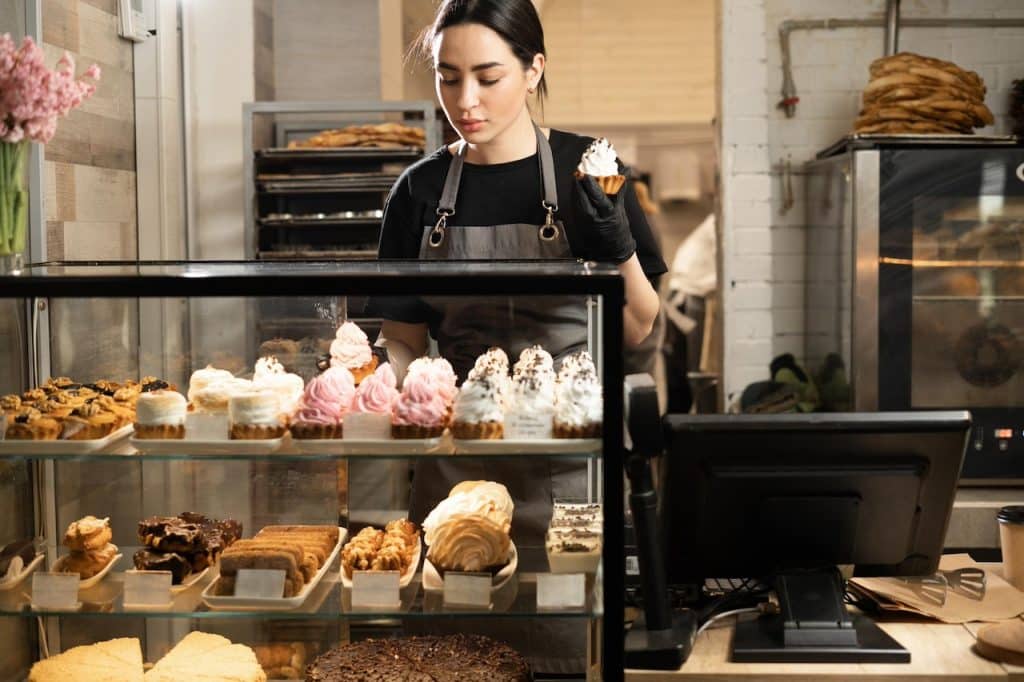
Medellín, a city of roughly 2.5 million people, has become one of Colombia’s most dynamic cities for food entrepreneurs. With a growing middle class, strong café culture, increasing tourism, and neighborhoods filled with professionals, students, and families, the demand for high-quality cakes, pastries, desserts, cookies, cupcakes, and specialty baked goods continues to rise.
A successful repostería in Medellín can operate as a traditional cake shop, dessert café, bakery specializing in pastries, custom cake business, or a combination of all three. Areas such as El Poblado, Laureles, Envigado, Sabaneta, and Belén offer strong opportunities for dessert-focused businesses due to high foot traffic and purchasing power.
While opening a repostería requires planning, permits, equipment, and capital, Colombia remains one of the more affordable countries in Latin America to launch a food business compared to North America or Europe.
Step 1: Define Your Repostería Concept
Before investing money, determine exactly what type of business you want to create.
Common repostería concepts in Medellín include:
- Custom cake shop
- Dessert café
- Traditional Colombian bakery and pastry shop
- Gourmet French-style pâtisserie
- Cheesecake and specialty dessert store
- Cupcake and cookie business
- Online bakery with delivery
- Coffee shop and bakery combination
The more focused your concept is initially, the easier it will be to establish your brand and manage inventory.
For example, a repostería specializing in celebration cakes, cheesecakes, brownies, and coffee may be easier to manage than offering 100 different products from day one.
Step 2: Conduct Market Research
Before signing a lease, study your target market carefully.
Questions to answer include:
- Who are your customers?
- What desserts are most popular in the area?
- What price points do competitors charge?
- How much foot traffic exists?
- Are there nearby offices, schools, or residential developments?
- Is there demand for premium desserts?
Visit at least 15 to 20 competing bakeries and pastry shops.
Pay attention to:
- Product variety
- Pricing
- Customer volume
- Store design
- Online reviews
- Delivery options
You may discover underserved niches such as:
- Gluten-free desserts
- Sugar-free pastries
- Premium birthday cakes
- Wedding cakes
- Gourmet cookies
- Artisan French pastries
Step 3: Create a Business Plan
Many bakery businesses fail because owners underestimate costs and overestimate sales.
A business plan should include:
- Executive summary
- Business concept
- Market analysis
- Competitor analysis
- Marketing strategy
- Menu and product offerings
- Startup costs
- Operating expenses
- Revenue projections
- Break-even analysis
A simple financial projection for the first 12 months can help determine whether your idea is financially viable before spending money.
Step 4: Choose a Business Structure
Most food entrepreneurs in Colombia choose one of the following structures:
Sole Proprietorship
Suitable for very small businesses with one owner.
Advantages:
- Easy setup
- Lower administrative burden
Disadvantages:
- Personal liability
SAS (Sociedad por Acciones Simplificada)
The SAS is the most common business structure in Colombia because it offers flexibility and limits personal liability. Many bakery owners choose this option.
Advantages:
- Limited liability
- Professional image
- Easier expansion
Step 5: Register Your Business
To operate legally, your repostería must be registered.
Typical registration steps include:
- Choose a business name
- Verify name availability
- Register with the Cámara de Comercio de Medellín
- Obtain your tax identification through DIAN (RUT)
- Complete commercial registration requirements
Commercial registration is mandatory for businesses operating in Medellín. Registration can be completed through the Cámara de Comercio and typically takes several business days.
Estimated registration costs:
| Item | Estimated Cost |
|---|---|
| Business registration | COP $100,000 – $500,000 |
| Legal documentation | COP $200,000 – $1,000,000 |
| Accounting setup | COP $500,000 – $2,000,000 |
Step 6: Obtain Required Permits and Licenses
Food businesses in Medellín typically need several approvals before opening.
Common requirements include:
RUT Registration
Issued through DIAN for tax purposes.
Commercial Registration
Completed through the Cámara de Comercio de Medellín.
Industry and Commerce Tax Registration
Businesses operating in Medellín must register for Industry and Commerce Tax (ICA).
Health and Sanitary Approval
Food establishments must comply with Colombian food safety regulations and may require inspections by health authorities.
Land Use Approval
The municipality must permit food-service activities at your chosen location.
Fire Safety Approval
Fire inspections may be required depending on your operation and premises.
Budget approximately:
COP $2,000,000 – $8,000,000
for permits, inspections, professional assistance, and compliance requirements.
Step 7: Select the Right Location
Location is one of the most important factors in your success.
Popular areas include:
El Poblado
Advantages:
- High-income customers
- Tourists
- Premium pricing opportunities
Disadvantages:
- High rent
Typical rent:
COP $4,000,000 – $15,000,000 per month
Laureles
Advantages:
- Strong residential market
- Professionals and students
- Growing café culture
Typical rent:
COP $2,500,000 – $8,000,000 per month
Envigado
Advantages:
- Family-oriented demographic
- Stable purchasing power
Typical rent:
COP $3,000,000 – $10,000,000 per month
Belén
Advantages:
- More affordable rents
- Large local customer base
Typical rent:
COP $2,000,000 – $6,000,000 per month
Step 8: Design Your Bakery Layout
An efficient layout improves productivity and customer experience.
Your repostería should include:
- Customer area
- Display cases
- Production kitchen
- Storage room
- Refrigeration area
- Washing station
- Office space
A typical small repostería requires between 50 and 120 square meters.
Step 9: Purchase Equipment
Equipment represents one of the largest startup expenses.
Basic equipment includes:
| Equipment | Estimated Cost (COP) |
|---|---|
| Commercial oven | $8,000,000 – $30,000,000 |
| Planetary mixer | $2,500,000 – $12,000,000 |
| Refrigeration equipment | $4,000,000 – $20,000,000 |
| Freezer | $2,000,000 – $10,000,000 |
| Stainless steel tables | $1,000,000 – $5,000,000 |
| Baking pans and tools | $1,000,000 – $4,000,000 |
| Display cases | $4,000,000 – $15,000,000 |
| POS system | $1,000,000 – $5,000,000 |
Total equipment budget:
COP $25,000,000 – $100,000,000+
depending on size and concept.
Step 10: Implement a Bakery POS System
A modern bakery should use a bakery POS system from day one.
Benefits include:
- Sales tracking
- Inventory management
- Recipe costing
- Customer loyalty programs
- Employee management
- Financial reporting
Systems such as restaurant and bakery POS platforms can help reduce inventory waste while improving profitability.
For example, a POS system can automatically deduct flour, sugar, butter, chocolate, and other ingredients when products are sold.
Step 11: Build Your Menu
Keep your initial menu focused.
A sample menu may include:
Cakes
- Chocolate cake
- Red velvet cake
- Carrot cake
- Tres leches cake
- Custom birthday cakes
Desserts
- Cheesecakes
- Brownies
- Tiramisu
- Flan
- Cookies
Pastries
- Croissants
- Danish pastries
- Cinnamon rolls
- Puff pastries
Drinks
- Espresso
- Cappuccino
- Latte
- Hot chocolate
- Fresh juices
Focus on quality rather than quantity.
Step 12: Calculate Food Costs
Food cost management is critical for profitability.
A common target food cost percentage is:
Food Cost % = (Ingredient Cost / Selling Price) × 100
Example:
If a slice of cheesecake costs COP $4,000 to produce and sells for COP $12,000:
Food Cost %
= 33.3%
This leaves room for labor, rent, utilities, and profit.
Step 13: Hire Staff
A small repostería may require:
| Position | Monthly Salary Range (COP) |
|---|---|
| Head baker | $2,000,000 – $4,500,000 |
| Pastry assistant | $1,500,000 – $2,500,000 |
| Cashier | $1,500,000 – $2,200,000 |
| Barista | $1,500,000 – $2,500,000 |
| Manager | $3,000,000 – $6,000,000 |
Employee costs should also include:
- Social security
- Benefits
- Payroll taxes
- Vacation pay
Budget approximately 30–50% above base salaries when calculating total labor expenses.
Step 14: Build Your Brand
Your brand should communicate:
- Quality
- Freshness
- Professionalism
- Consistency
Invest in:
- Professional logo
- Packaging
- Signage
- Uniforms
- Website
A memorable brand can justify premium pricing.
Step 15: Establish an Online Presence
Most customers discover new bakeries online.
Create:
- Instagram account
- Facebook page
- Google Business Profile
- TikTok account
- Website
Post regularly:
- Cake photos
- Behind-the-scenes videos
- Customer testimonials
- Seasonal promotions
Custom cakes and visually appealing desserts perform particularly well on social media.
Step 16: Offer Delivery Services
Many successful Medellín bakeries generate significant revenue through delivery.
Options include:
- In-house delivery
- Rappi
- Uber Eats
- Website ordering
Delivery expands your customer base beyond walk-in traffic.
Step 17: Market Your Repostería
Marketing ideas include:
- Grand opening promotions
- Influencer collaborations
- Coffee and dessert combos
- Birthday club programs
- Loyalty rewards
- Corporate catering
- Wedding cake partnerships
Allocate at least:
COP $1,000,000 – $5,000,000
for initial marketing efforts.
Estimated Startup Costs
A realistic startup budget for a small to medium-sized repostería in Medellín may look like this:
| Expense Category | Estimated Cost (COP) |
|---|---|
| Registration and permits | $2,000,000 – $8,000,000 |
| Rent deposit | $5,000,000 – $30,000,000 |
| Renovations | $10,000,000 – $80,000,000 |
| Equipment | $25,000,000 – $100,000,000 |
| Initial inventory | $3,000,000 – $15,000,000 |
| Furniture | $3,000,000 – $20,000,000 |
| POS system | $1,000,000 – $5,000,000 |
| Marketing | $1,000,000 – $5,000,000 |
| Working capital | $10,000,000 – $50,000,000 |
Total Estimated Investment
Small bakery or cake shop: COP $60,000,000 – $120,000,000
Medium-sized repostería with café seating: COP $120,000,000 – $300,000,000
Premium pastry café in high-end locations: COP $300,000,000 – $600,000,000+
These estimates align with broader food-service startup costs commonly seen in Medellín, where location, equipment quality, and build-out requirements significantly affect investment levels.
Final Thoughts
Opening a repostería in Medellín can be a highly rewarding business opportunity for entrepreneurs who combine excellent products with strong operational management. Success depends on choosing the right location, understanding your target market, controlling food costs, maintaining consistent quality, and building a recognizable brand.
Start with a focused menu, invest in reliable equipment, implement inventory and sales tracking systems, and prioritize customer experience from day one. With Medellín’s growing food culture, strong tourism sector, and increasing demand for premium desserts, a well-executed repostería can become a profitable and scalable business in one of Colombia’s most vibrant cities.


