
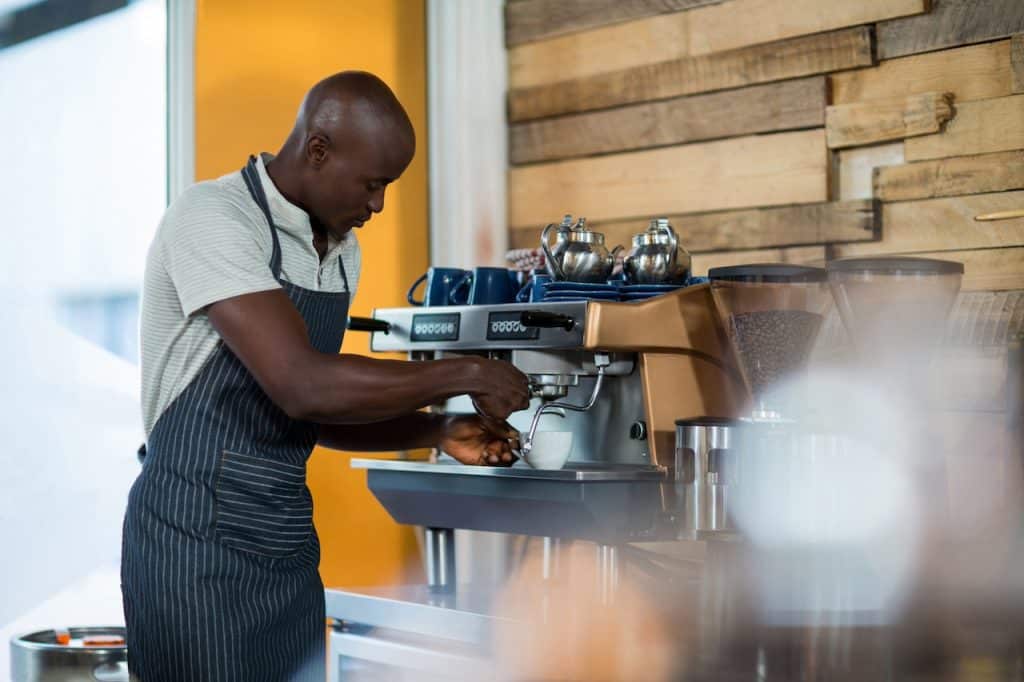
Starting a café or coffee shop in Kingston, Jamaica, can be an attractive opportunity for entrepreneurs who understand the city’s mix of professionals, students, residents, creatives, tourists, and coffee enthusiasts. Kingston has a strong food and entertainment culture, while Jamaica has an internationally recognized coffee identity through Jamaica Blue Mountain coffee. Starting a café in Jamaica, a Caribbean island nation of roughly 2.83 million people, can be lucrative as you expand to more tourist areas like Montego Bay, Negril and more.
A successful café, however, requires more than good coffee. You need the right location, a carefully designed menu, reliable suppliers, trained employees, appropriate permits, strong financial controls, and a clear reason for customers to choose your café over competitors.
Here is a practical guide to help you start a café or coffee shop in Kingston.
1. Market Research and Planning
A. Understanding the Kingston Market
Before signing a lease or buying equipment, research the specific Kingston neighborhood where you want to operate. Kingston is not one uniform market. A café near offices may have a very different customer base from one near universities, residential communities, shopping areas, entertainment districts, or tourist attractions.
Potential customer segments include:
- Office workers looking for breakfast and takeaway coffee
- University and college students
- Remote workers and freelancers
- Local residents
- Tourists and visitors
- Coffee enthusiasts
- Customers looking for breakfast, lunch, pastries, or desserts
- People looking for a comfortable place to meet friends or conduct informal business meetings
Spend time visiting competing cafés at different times of the day. Record their prices, busiest periods, seating capacity, menu items, service speed, atmosphere, parking situation, and customer demographics.
Kingston’s food culture also provides an opportunity to build a café around Jamaican flavors rather than simply copying an international coffee-shop concept. Local ingredients, Jamaican breakfast dishes, pastries, juices, desserts, and coffee can become part of the brand.
B. Develop a Business Plan
Your business plan should explain how the café will make money and why customers will return.
Include:
- Executive summary
- Target customer
- Location analysis
- Competitor analysis
- Menu and pricing
- Startup budget
- Monthly operating budget
- Staffing plan
- Marketing strategy
- Sales forecast
- Break-even analysis
- Cash-flow forecast
- Financing requirements
For a small independent Kingston café, a preliminary startup budget might range from approximately J$6 million to J$15 million, depending heavily on the location, size, construction requirements, equipment, seating capacity, and whether the premises are already fitted for food service. Treat this as a planning range rather than an official industry average; obtain local quotations before committing capital.
A smaller takeaway-focused coffee bar can potentially require less capital, while a larger sit-down café with a commercial kitchen and extensive renovations can require considerably more.
2. Legal and Regulatory Requirements
A. Register Your Business
Your first step is to establish the legal business structure. Entrepreneurs can operate through structures such as a registered business name or a company, depending on their circumstances and plans.
The Companies Office of Jamaica’s Business Registration Form, often referred to as the “Super Form,” consolidates information required for business registration and connects the registration process with agencies including the National Insurance Scheme and Tax Administration Jamaica.
Consider speaking with a Jamaican accountant or attorney before deciding whether a sole-trader structure or limited company is appropriate.
B. Register for Tax
You will need to understand your obligations with Tax Administration Jamaica (TAJ), including your Taxpayer Registration Number and applicable business and payroll taxes.
Jamaica’s General Consumption Tax (GCT) standard rate is 15%. The government increased the GCT registration threshold from J$10 million to J$15 million as part of the 2025 tax changes, so entrepreneurs should verify the current threshold and their specific obligations with TAJ before opening.
Do not wait until your café becomes busy before establishing proper bookkeeping. Track daily sales, taxable sales, expenses, payroll, supplier invoices, and inventory from the first day.
C. Obtain Food Establishment Licensing
A café is a food-handling establishment and must comply with Jamaica’s public-health requirements.
Before operating, the owner or operator must apply to the Medical Officer of Health for the parish where the establishment is located. The application includes the applicable fee and a floor plan showing the layout of the establishment and equipment.
The food establishment licence is generally valid for one year and must be renewed. Health authorities can inspect the premises before approval.
For a Kingston café, discuss the proposed location with the relevant public-health authority before investing heavily in renovations.
D. Food Handler’s Permits
Employees involved in preparing or serving food and drinks need valid Food Handler’s Permits. Jamaica’s Ministry of Health & Wellness has emphasized that the requirement can extend beyond cooks to employees who enter food preparation areas.
Food handlers undergo training and testing, and permits are generally valid for one year.
E. Design for Health and Safety Compliance
Do not design the café purely around aesthetics.
Public-health requirements can affect your layout, plumbing, ventilation, food storage, handwashing stations, toilets, surfaces, and kitchen configuration.
For example, Jamaican restaurant guidance addresses potable water, ventilation, food-storage temperatures, protected lighting, washable surfaces, pest control, toilets, and handwashing facilities.
Getting the layout right before construction can save substantial money compared with rebuilding an unsuitable kitchen after an inspection.
3. Location and Design
A. Choosing the Right Location
Location may be one of the most important decisions you make.
Look at areas such as:
- New Kingston
- Half-Way-Tree
- Liguanea
- Constant Spring
- Barbican
- Cross Roads
- Downtown Kingston
- University and student-oriented areas
- High-density residential communities
These are not automatically the best locations for every concept. Your target market should determine where you operate.
For example, a premium specialty-coffee shop may perform differently from a low-priced takeaway café. A café designed around remote workers needs reliable internet and comfortable seating, while a breakfast takeaway operation may prioritize visibility, parking, and fast customer flow.
B. Analyze Foot Traffic
Before leasing a property, visit the location during:
- Morning commute
- Breakfast hours
- Lunch
- Afternoon
- Evening
- Weekdays
- Saturdays
- Sundays
Count pedestrians and vehicles where practical. Look at nearby offices, schools, apartments, businesses, gyms, supermarkets, hotels, and entertainment venues.
A cheaper location with little customer traffic may ultimately be more expensive than a higher-rent location that generates significantly more sales.
C. Design the Café
Create a layout that balances customer experience with operational efficiency.
Consider:
- Comfortable seating
- Takeaway pickup area
- Counter placement
- Espresso-machine visibility
- Kitchen workflow
- Refrigeration
- Dry storage
- Dishwashing
- Waste storage
- Restrooms
- Staff areas
- Customer circulation
- Delivery-driver access
For a modern Kingston café, consider incorporating Jamaican visual identity through local artwork, music, photography, colors, materials, or design elements rather than creating a generic international coffee-shop interior.
4. Sourcing Equipment and Supplies
A. Coffee Equipment
Your primary coffee equipment may include:
- Commercial espresso machine
- Espresso grinders
- Batch brewer
- Pour-over equipment
- Coffee scales
- Water filtration
- Refrigerated milk storage
- Blender
- Ice machine
- Coffee brewer
- Hot-water system
A basic commercial coffee setup can easily represent J$1.5 million to J$4 million or more, depending on the quality and quantity of equipment. A larger café with a full kitchen can require substantially more.
Do not automatically buy the most expensive equipment. Match equipment capacity to your expected sales volume.
B. Food-Service Equipment
If you plan to serve food, you may also need:
- Commercial refrigerator
- Freezer
- Oven
- Griddle
- Food-preparation tables
- Display cases
- Microwave
- Dishwasher
- Shelving
- Storage containers
- Smallwares
- Food thermometers
Buying used commercial equipment can reduce startup costs, but inspect equipment carefully and make sure replacement parts and servicing are available in Jamaica.
C. Source Jamaican Coffee
One of Kingston’s biggest advantages is access to a globally recognized coffee origin.
Jamaica Blue Mountain coffee is protected by a certification system, and coffee labelled Jamaica Blue Mountain must meet the relevant requirements and come from the designated growing region. JACRA is responsible for regulatory oversight of the coffee industry.
Potential sourcing partners include Jamaican coffee processors, estates, roasters, and wholesalers. The Jamaica Coffee Exporters Association lists producers and processors operating in the local coffee industry, including Jamaica Coffee Corporation and Stoneleigh Coffee Processors.
You do not necessarily need to build your entire menu around Blue Mountain coffee. You could offer:
- Jamaican Blue Mountain coffee
- Jamaican blends
- Other Caribbean coffees
- International specialty coffees
- Espresso
- Americano
- Cappuccino
- Latte
- Mocha
- Cold brew
- Pour-over
- Iced coffee
This can allow you to offer premium Jamaican coffee while maintaining different price points.
D. Build Multiple Supplier Relationships
Do not rely on one supplier for everything.
Develop relationships for:
- Coffee beans
- Milk
- Alternative milks
- Sugar
- Syrups
- Bread
- Pastries
- Fruits
- Vegetables
- Meat
- Eggs
- Packaging
- Cleaning products
Maintain backup suppliers for critical ingredients.
5. Staffing and Training
A. Hire the Right Employees
A small café might initially operate with:
- 1–2 baristas per shift
- 1 cashier or front-of-house employee
- 1 kitchen employee if food is prepared
- 1 supervisor or manager
- Part-time cleaning or support staff
Staffing requirements depend on operating hours, menu complexity, seating capacity, and customer volume.
Jamaica’s national minimum wage increased to J$17,000 per 40-hour work week effective July 1, 2026. Café owners should budget above the statutory minimum for skilled baristas, supervisors, cooks, and managers where necessary.
Remember that payroll costs include more than basic wages. Budget for statutory contributions, overtime where applicable, training, uniforms, meals or staff benefits, recruitment, and employee turnover.
B. Train Baristas
A good barista can become one of your most valuable employees.
Training should cover:
- Espresso extraction
- Grinder adjustment
- Milk steaming
- Latte preparation
- Drink consistency
- Coffee tasting
- Cleaning equipment
- Food safety
- Customer service
- Portion control
- Waste reduction
Create standardized recipes so customers receive the same drink regardless of who is working.
6. Marketing and Promotion
A. Build a Jamaican Café Brand
Your café should have a recognizable identity.
Think about what customers should associate with your business:
- Jamaican coffee
- Specialty coffee
- Breakfast
- Desserts
- Local art
- Music
- Remote work
- Community
- Premium service
- Fast takeaway
A strong brand can help you compete against established cafés without simply competing on price.
B. Establish an Online Presence
Create:
- Google Business Profile
- Website
- Instagram account
- Facebook page
- TikTok account where appropriate
- WhatsApp Business presence
Your online profiles should clearly show:
- Menu
- Prices
- Opening hours
- Location
- Parking information
- Phone number
- Photos
- Customer reviews
High-quality photographs of coffee, pastries, breakfast items, and the café interior can make a significant difference.
C. Launch With Promotions
Instead of simply opening the doors, create a launch strategy.
Potential promotions include:
- Opening-week discounts
- Buy-one-get-one offers
- Coffee-and-pastry bundles
- Student specials
- Office-worker breakfast packages
- Loyalty rewards
- Free tastings
- Local artist events
- Coffee education sessions
Avoid building the business around permanent discounts. Promotions should encourage customers to try your café while allowing the normal menu to remain profitable.
7. Operational Management
A. Manage Inventory Carefully
Coffee shops can lose money through waste even when sales appear strong.
Track:
- Coffee beans
- Milk
- Syrups
- Pastries
- Bread
- Eggs
- Fruits
- Packaging
- Bottled drinks
- Desserts
Measure portions and establish par levels for important ingredients.
A POS and inventory-management system can help connect sales with inventory usage, identify best-selling products, monitor employee activity, and reveal when food or beverage costs are increasing.
B. Control Food Costs
Calculate the actual cost of every recipe.
For example, if a latte uses coffee, milk, syrup, a cup, lid, and other consumables, calculate all of those costs rather than looking only at the price of the coffee beans.
Track food cost percentage, beverage cost percentage, waste, gross margin, average transaction value, and sales by hour.
C. Monitor Cash Flow
A café can be profitable on paper and still run out of cash.
Maintain enough working capital to cover:
- Rent
- Payroll
- Utilities
- Inventory
- Insurance
- Taxes
- Repairs
- Marketing
- Loan payments
- Unexpected expenses
A reasonable planning approach is to hold several months of operating expenses in reserve rather than spending the entire startup budget on construction and equipment.
8. Sustainability and Community Involvement
A. Reduce Waste
Coffee shops can generate considerable waste from cups, lids, food, coffee grounds, milk, packaging, and unsold pastries.
Consider:
- Reusable cups
- Compostable packaging where financially practical
- Recycling
- Accurate production forecasting
- Smaller pastry batches
- Coffee-ground reuse
- Energy-efficient equipment
- LED lighting
- Water-saving fixtures
Reducing waste can improve both sustainability and profitability.
B. Support Local Businesses
Kingston has a strong creative and entrepreneurial community.
Consider partnering with:
- Jamaican coffee producers
- Local bakers
- Farmers
- Artists
- Musicians
- Designers
- Small food producers
- Local event organizers
You could display local artwork, sell locally made products, host acoustic performances, or organize coffee-tasting events.
This gives customers another reason to visit beyond simply buying a cup of coffee.
9. Embrace Technology to Improve Efficiency and Customer Experience
A modern Kingston café can use technology to simplify daily operations and improve customer service.
A cloud-based point-of-sale system can help manage orders, menu items, inventory, employee activity, sales reporting, and customer information from one system. It can also make it easier for an owner to monitor sales remotely.
Digital payments should be part of your operating plan. Offering customers multiple payment options can reduce friction, particularly for younger customers, professionals, tourists, and customers who prefer cashless transactions.
Technology can also support:
- Digital receipts
- Inventory tracking
- Employee scheduling
- Sales reporting
- Loyalty programs
- Online ordering
- QR-code menus
- Customer databases
- Accounting integrations
The objective should not be to add technology simply because it is available. Choose tools that reduce administrative work, improve accuracy, or make the customer experience easier.
10. Estimate Your Café Startup Costs
A Sample Kingston Startup Budget
A small-to-medium independent café could potentially require a budget similar to the following:
| Expense | Estimated Cost |
|---|---|
| Lease deposit and initial rent | J$500,000–J$1,500,000+ |
| Renovations and build-out | J$1,500,000–J$4,000,000+ |
| Espresso machine and grinders | J$1,500,000–J$3,500,000 |
| Refrigeration and kitchen equipment | J$750,000–J$2,000,000 |
| Furniture and décor | J$500,000–J$1,500,000 |
| POS, internet and technology | J$150,000–J$500,000 |
| Licences, professional services and setup | J$100,000–J$400,000+ |
| Initial inventory | J$300,000–J$750,000 |
| Branding and opening marketing | J$200,000–J$600,000 |
| Working capital | J$1,000,000–J$3,000,000+ |
| Potential total | J$6,500,000–J$18,000,000+ |
These are illustrative planning estimates, not government-set fees or guaranteed market prices. Actual Kingston costs can be substantially different depending on the premises, landlord, equipment supplier, construction requirements, exchange rates, and size of the café.
One of the biggest mistakes new café owners make is underestimating working capital. It is better to open with a smaller menu and adequate cash reserves than to spend nearly all available funds on an impressive interior.
Conclusion
Starting a café or coffee shop in Kingston requires careful planning, regulatory compliance, strong financial management, and a clear understanding of the customers you want to serve.
Jamaica gives café entrepreneurs a particularly interesting advantage: the opportunity to build a brand around a globally recognized coffee identity while combining it with Kingston’s food, music, art, and social culture. Jamaica Blue Mountain coffee can serve as a premium product, but a successful café should offer more than an expensive bean. The experience, food, service, atmosphere, convenience, and consistency all matter.
Start by researching your target neighborhood, testing your concept, creating a detailed financial plan, and speaking with the relevant Jamaican authorities before signing a lease. Register the business properly, obtain the required food establishment and food-handler permits, design the premises around health requirements, hire and train reliable employees, and establish dependable suppliers.
Finally, use technology and disciplined inventory and financial management from the beginning. Track what sells, what gets wasted, which employees and shifts perform best, and which customers return. A Kingston café that combines excellent coffee with Jamaican identity, efficient operations, strong hospitality, and a compelling customer experience can develop into much more than a place to buy coffee—it can become a neighborhood destination.


