
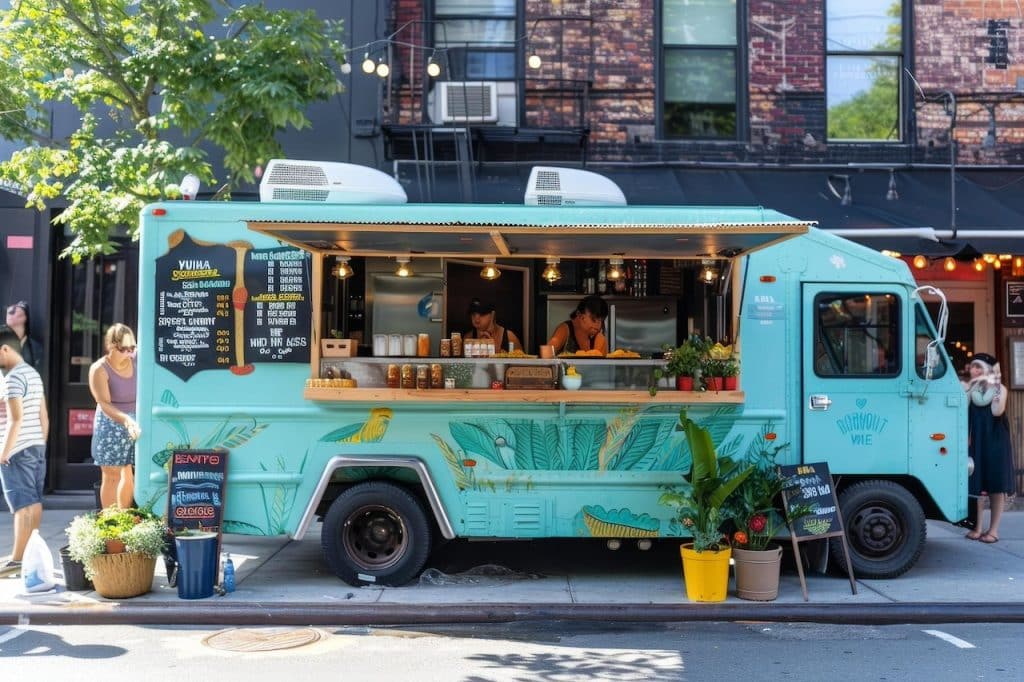
Starting a food truck business in Costa Rica is one of the most exciting and accessible ways to enter the country’s vibrant food scene. With a strong tourism industry, a growing street food culture, and relatively lower startup costs compared to traditional restaurants, food trucks offer entrepreneurs flexibility, mobility, and the ability to test concepts quickly. However, success in Costa Rica requires more than just a great menu—it demands a clear understanding of legal requirements, costs in Costa Rican colones (CRC), operational logistics, and local market behavior. This comprehensive guide walks you step-by-step through everything you need to know to launch and grow a profitable food truck business in Costa Rica.
Why Start a Food Truck in Costa Rica?
Costa Rica presents a unique opportunity for food truck entrepreneurs due to its mix of locals, expats, and tourists. Popular areas such as San José, Tamarindo, Santa Teresa, and Jacó have thriving street food and casual dining scenes. Food trucks are especially popular at beaches, festivals, and weekend markets, where customers are looking for fast, affordable, and high-quality meals. Compared to opening a traditional restaurant, food trucks require significantly lower upfront investment, fewer staff, and offer the ability to relocate to high-traffic areas. This flexibility can dramatically improve your chances of profitability, especially in a country where location plays a major role in business success.
Understanding the Food Truck Business Model
Before diving into logistics, it’s important to define your concept. Food trucks in Costa Rica typically fall into a few categories: local Costa Rican food (casados, gallo pinto), international street food (tacos, burgers, Asian fusion), specialty trucks (vegan, organic, gourmet), and beverage-focused trucks (coffee, smoothies, cocktails). Your concept will determine your equipment, costs, pricing, and target market. A simple menu with high-margin items is usually the most effective approach, especially in the early stages.
Step 1: Market Research and Location Strategy
Start by researching where food trucks perform best. In Costa Rica, foot traffic varies significantly depending on the area. Tourist-heavy zones like beach towns can generate high daily revenue but may also have higher competition and permit restrictions. Urban areas like San José offer consistent demand but require navigating stricter regulations. Visit existing food truck parks, observe pricing, analyze menus, and identify gaps in the market. For example, if most trucks sell burgers and tacos, a niche like gourmet sandwiches or healthy bowls could stand out.
Step 2: Business Registration and Legal Structure
To operate legally in Costa Rica, you must register your business. Most entrepreneurs choose to register as a Sociedad Anónima (S.A.) or Sociedad de Responsabilidad Limitada (S.R.L.). This process involves working with a lawyer, registering with the National Registry, and obtaining a tax identification number. You will also need to register with the Costa Rican tax authority (Hacienda) and comply with VAT (IVA) requirements. Keep in mind that Costa Rica has a reputation for bureaucratic processes, so working with a local attorney and accountant is highly recommended.
Step 3: Permits and Licenses
Operating a food truck legally requires several permits. While exact requirements vary by municipality, you will generally need a health permit from the Ministry of Health, a municipal business license, and a sanitary operating permit. You may also need a mobile vendor permit and approval for specific operating locations. Based on typical estimates, permit and licensing costs can range from approximately ₡500,000 to ₡2,500,000 CRC depending on the municipality and complexity.
Inspections are strict, particularly regarding food safety, water supply, waste disposal, and cleanliness. Make sure your truck is designed to meet these requirements from the beginning to avoid costly modifications later.
Step 4: Buying or Building Your Food Truck
Your food truck is your biggest investment. You have three main options: buying a used truck, purchasing a new custom-built truck, or converting a vehicle or trailer. A used food truck can cost approximately ₡15,000,000 to ₡40,000,000 CRC, while a new fully equipped truck can exceed ₡80,000,000 CRC.
If you choose to convert a vehicle, costs can range from ₡8,000,000 to ₡25,000,000 CRC depending on modifications. Key features include ventilation systems, electrical wiring, water tanks, and food prep areas. Many entrepreneurs in Costa Rica opt for trailers as a lower-cost alternative, especially for fixed locations like food truck parks.
Step 5: Equipment and Setup Costs
Outfitting your truck with the right equipment is critical. Essential items include grills, fryers, refrigerators, prep stations, sinks, and storage. Equipment costs typically range from ₡8,000,000 to ₡25,000,000 CRC depending on your concept and whether you buy new or used.
You will also need a generator or reliable power source, especially if operating in outdoor or beach locations. Don’t forget safety equipment like fire extinguishers and proper ventilation systems, which are required for compliance.
Step 6: Branding and Design
In a competitive food truck market, your branding plays a huge role in attracting customers. Invest in a strong logo, truck wrap, and menu design. Branding costs in Costa Rica can range from ₡2,500,000 to ₡7,500,000 CRC depending on design complexity and materials.
A visually appealing truck can significantly increase foot traffic, especially in tourist areas where customers are drawn to unique and Instagram-worthy experiences.
Step 7: Menu Planning and Pricing
Your menu should be simple, efficient, and profitable. Focus on items that can be prepared quickly with minimal ingredients. In Costa Rica, food truck prices vary widely depending on location and target market. Local dishes may range from ₡3,000 to ₡6,000 CRC, while gourmet or tourist-oriented meals can range from ₡6,000 to ₡12,000 CRC.
Keep food costs under control by sourcing local ingredients whenever possible. Costa Rica has a strong agricultural sector, making it easier to find fresh produce at competitive prices.
Step 8: Staffing and Labor Costs
Food trucks typically require a small team of 1–3 employees. Wages in Costa Rica vary, but minimum wages for food service workers can range from ₡350,000 to ₡500,000 CRC per month. However, employers must also pay additional social security and benefits, which can significantly increase total labor costs.
Many food truck owners start by working in the truck themselves to reduce expenses and maintain quality control.
Step 9: POS System and Payments
A reliable point-of-sale system is essential for managing orders, tracking sales, and accepting payments. In Costa Rica, most customers prefer card payments, especially in tourist areas. A mobile POS system can cost between ₡250,000 and ₡1,000,000 CRC annually depending on features. Other alternatives such as Slant POS starts with a free version with limited orders that a weekly food truck will find sufficient, to a paid plan starting at ₡14,550 a month.
Make sure your system can handle both colones and USD, as many tourists pay in dollars.
Step 10: Marketing and Customer Acquisition
Marketing is crucial for building awareness and attracting customers. Social media platforms like Instagram and Facebook are widely used in Costa Rica and are highly effective for food trucks. Post regularly, share your location schedule, and engage with your audience.
Initial marketing costs can range from ₡500,000 to ₡5,000,000 CRC depending on your strategy.
Participating in events, festivals, and food truck gatherings can also help you gain visibility and build a loyal customer base.
Step 11: Operating Costs and Monthly Expenses
Beyond startup costs, you need to budget for ongoing expenses. Monthly operating costs typically include fuel, maintenance, ingredients, staff wages, permits, and insurance. These can range from ₡1,500,000 to ₡5,000,000 CRC depending on your scale and location.
Fuel and transportation costs are particularly important if you plan to move frequently between locations.
Step 12: Revenue and Profit Potential
Food trucks in Costa Rica can generate daily revenues ranging from ₡250,000 to ₡1,500,000 CRC depending on location, concept, and demand.
Profit margins in the food industry typically range from 60% to 75% on food items, but net profit depends on controlling costs and maintaining consistent sales. Most food truck businesses can reach break-even within 6 to 18 months and achieve full return on investment within 1.5 to 3 years if managed effectively.
Step 13: Choosing the Right Locations
Location strategy can make or break your business. Some of the best places to operate a food truck in Costa Rica include beaches, tourist hotspots, office districts, and events. However, not all areas allow food trucks, so always verify local regulations.
Many successful operators rotate between multiple locations to maximize exposure and revenue.
Step 14: Challenges to Expect
Starting a food truck in Costa Rica is not without challenges. Bureaucracy can slow down the permitting process, and regulations vary by municipality. Weather can also impact operations, especially during the rainy season. Additionally, competition in popular areas can be intense, requiring strong branding and differentiation.
Supply chain costs and import prices can also affect profitability, particularly for non-local ingredients.
Step 15: Tips for Success
To succeed in Costa Rica’s food truck market, focus on simplicity, consistency, and customer experience. Keep your menu streamlined, maintain high food quality, and provide excellent service. Build relationships with local suppliers and stay active on social media.
Flexibility is also key—be ready to adapt your menu, pricing, or location based on customer demand and market conditions.
Total Estimated Startup Cost in Costa Rican Colones
Here’s a realistic breakdown of startup costs in CRC:
- Food truck (used or new): ₡15,000,000 – ₡80,000,000
- Equipment: ₡8,000,000 – ₡25,000,000
- Permits and licenses: ₡500,000 – ₡2,500,000
- Branding and design: ₡2,500,000 – ₡7,500,000
- Initial inventory and marketing: ₡1,500,000 – ₡6,000,000
- Working capital: ₡3,000,000 – ₡10,000,000
Total estimated investment: ₡30,000,000 – ₡120,000,000 CRC depending on scale and concept
Final Thoughts
Starting a food truck business in Costa Rica is a promising opportunity for entrepreneurs who want a lower-cost entry into the food industry while maintaining flexibility and creativity. With the right planning, strong branding, and strategic location choices, a food truck can become a highly profitable venture. However, success requires careful attention to legal requirements, cost management, and customer experience.
If you approach the business with a clear plan and realistic expectations, Costa Rica offers a dynamic and rewarding environment to launch and grow your food truck brand.


